
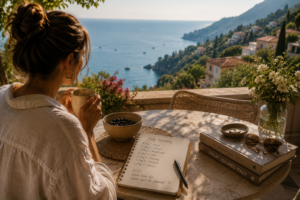
The freedom to answer emails from a beachfront café in Bali, join meetings from a stylish apartment in Lisbon, or finish a project overlooking Dubai’s skyline has made the digital nomad lifestyle more appealing than ever.
As remote work continues to reshape how people live and travel, a growing number of professionals are choosing to swap traditional offices for destinations around the world. Yet while social media often highlights the glamorous side of working remotely, experienced digital nomads know that one decision can make or break the entire experience: choosing the right accommodation.
The perfect place to stay isn’t necessarily the cheapest option or the most luxurious. Instead, it’s the accommodation that supports productivity, provides comfort, fits within a realistic budget, and allows travelers to fully enjoy their destination.
From researching neighborhoods to verifying internet speeds, seasoned remote workers follow a series of strategies that help them avoid costly mistakes and create a more rewarding travel experience.
Start with the Neighborhood Before the Property
One of the most common mistakes first-time digital nomads make is booking accommodation solely based on photos. An apartment may look stunning online, but daily life can become frustrating if it’s located far from grocery stores, public transportation, coworking spaces, or cafés.
Experienced travelers often spend more time researching neighborhoods than properties. Understanding the local environment helps determine whether an area aligns with their work schedule, lifestyle, and personal preferences.
Reliable Internet Is Non-Negotiable
For remote workers, internet quality is often more important than swimming pools, rooftop terraces, or luxury amenities.
Video conferences, cloud-based applications, file transfers, and online collaboration all depend on a stable connection. Before booking, many digital nomads contact hosts directly to ask about internet speeds, backup options, mobile network coverage, and any recent connectivity issues.
A few minutes of research can prevent days of frustration later.
Compare Accommodation Sources
Savvy travelers rarely rely on a single booking platform. Exploring multiple accommodation websites often reveals better deals, different property types, and locations that may not appear elsewhere.
Hotels, serviced apartments, guesthouses, private rooms, and furnished rentals all serve different needs depending on the destination and length of stay. Many remote workers also use specialized rental platforms that cater to longer-term travelers, helping them compare options and make more informed decisions before arriving.
Focus on Value Rather Than Price
The lowest nightly rate doesn’t always result in the lowest overall cost.
An inexpensive apartment may require expensive transportation, suffer from unreliable internet, or lack a comfortable workspace. These hidden costs can reduce productivity and negatively affect the travel experience.
Successful digital nomads evaluate overall value by considering location, internet quality, safety, transportation access, and included amenities rather than focusing solely on price.
Create a Workspace That Works
Accommodation effectively becomes both a home and an office. Features such as a comfortable desk, supportive chair, strong Wi-Fi coverage, natural light, and a quiet environment can significantly improve productivity.
Properties designed with remote workers in mind often create a healthier balance between work responsibilities and travel experiences.
Let Reviews Tell the Real Story
Photos show what hosts want guests to see. Reviews reveal what guests actually experienced.
Rather than focusing exclusively on star ratings, experienced travelers look for recurring patterns. Multiple comments about slow internet, excessive noise, or cleanliness concerns often indicate genuine issues. Likewise, repeated praise for a host’s responsiveness or a property’s location can provide valuable reassurance.
Recent reviews are especially important because conditions can change over time.
Understand the Full Cost of Living
Accommodation is only one piece of the financial puzzle.
Transportation, food, coworking memberships, mobile data plans, and entertainment costs vary dramatically between destinations. A city that appears affordable at first glance may become surprisingly expensive once everyday expenses are included.
Creating a realistic monthly budget helps digital nomads maintain financial stability while enjoying the flexibility of remote work.
Seek Out Community
One of the greatest advantages of the digital nomad lifestyle is the opportunity to connect with people from around the world.
Many travelers intentionally choose neighborhoods with active coworking communities, networking events, cafés, and social spaces. These environments make it easier to build friendships, exchange travel advice, and develop professional relationships.
For solo travelers, community can be just as important as accommodation itself.
Never Compromise on Safety
While affordability and convenience matter, safety should remain a top priority.
Researching neighborhoods, transportation options, and local traveler experiences can provide valuable insight before making a reservation. A secure environment allows travelers to focus on work, exploration, and cultural experiences with greater confidence.
The Nomads Way
The digital nomad lifestyle offers an extraordinary combination of freedom, flexibility, and discovery. However, the right accommodation plays a crucial role in determining whether a destination becomes a productive base or a source of daily stress.
By researching neighborhoods, comparing accommodation options, verifying internet quality, reading reviews carefully, and prioritizing long-term value, remote workers can create a smoother and more enjoyable experience wherever their travels take them.
In the end, the best accommodation is the one that helps you work efficiently, live comfortably, and fully embrace the destination you’re exploring.
Recommended

Amelia Morn is a travel accommodation and rental-market enthusiast who writes about remote work, travel planning, and property rentals.
Are you a traveler, blogger or writer with a story to share?
You can write for Travelazz to educate and inspire adventurous explorers worldwide.