
When most travelers think of Jamaica, images of turquoise waters, white-sand beaches, reggae music, and cascading waterfalls usually come to mind. While those attractions are undoubtedly part of the island’s appeal, Jamaica also hides an entirely different world beneath its surface. Scattered across the island are fascinating cave systems carved through limestone over thousands of years, offering visitors a chance to experience a side of Jamaica that many tourists never see.
For adventure seekers, nature lovers, and travelers interested in Jamaica’s history, exploring a cave can be one of the most memorable experiences on the island. Among the many underground attractions available, one cave consistently stands out as the best choice for most visitors: Green Grotto Caves.
Combining natural beauty, geological wonders, rich history, and easy accessibility, Green Grotto offers an experience that goes far beyond a typical sightseeing tour. Whether you’re staying in Ocho Rios, Montego Bay, or elsewhere along Jamaica’s north coast, this remarkable attraction deserves a place on your itinerary.
Green Grotto Caves
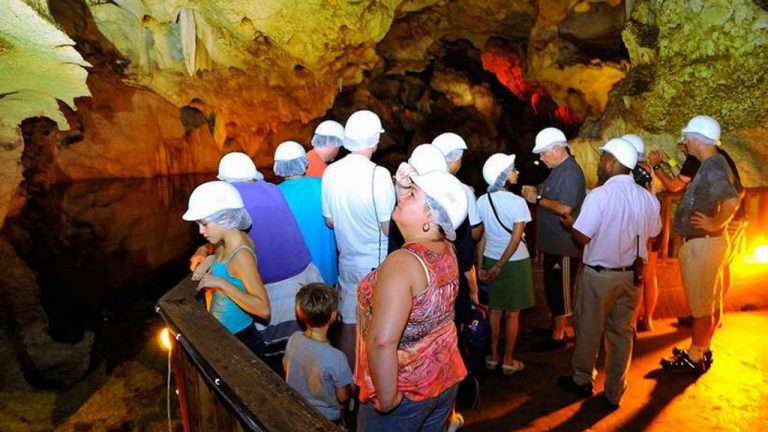
Nestled between Ocho Rios and Montego Bay on Jamaica’s scenic north coast, Green Grotto Caves is one of the island’s most famous natural attractions. The cave system extends deep beneath the surface and consists of interconnected chambers, winding passageways, impressive rock formations, and a mysterious underground lake.
Unlike some cave systems that are difficult to access or require specialized equipment, Green Grotto is designed for visitors of all experience levels. Guided tours lead guests through the underground network while sharing fascinating stories about the cave’s geological development and historical significance.
The moment you step inside, you’ll notice a dramatic change in atmosphere. The tropical heat outside gives way to cool air, dim lighting, and the quiet sounds of dripping water echoing through the chambers. It feels like entering a completely different world.
A Cave Shaped by Nature Over Thousands of Years
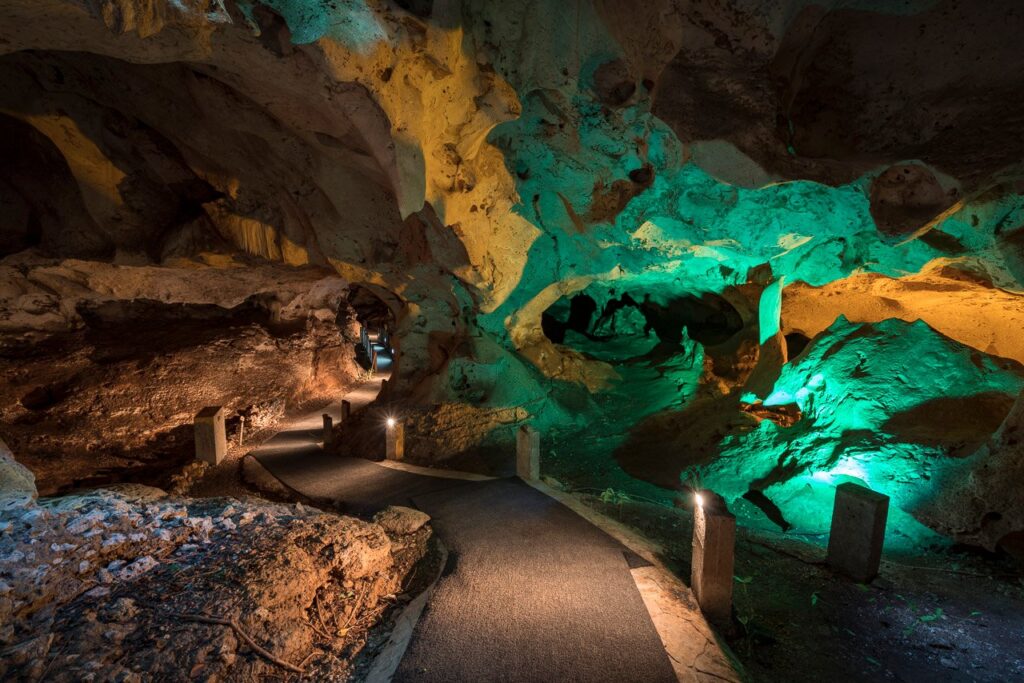
The stunning formations found inside Green Grotto are the result of a slow geological process that has been taking place for thousands of years.
As water filtered through the limestone rock, it gradually dissolved minerals and carved out underground passages. Over time, stalactites formed as mineral-rich water dripped from the cave ceiling, while stalagmites grew upward from the cave floor.
These natural formations create a landscape that feels almost otherworldly. Some resemble towering pillars, while others take on unusual shapes that spark the imagination. Every chamber reveals something new, making the tour both visually impressive and educational.
One of the most photographed features is the underground lake, whose still waters reflect the surrounding cave formations and add to the cave’s mysterious atmosphere.
The Fascinating History of Green Grotto
What truly sets Green Grotto apart from many other cave attractions is its rich historical significance.
Archaeological evidence suggests that Jamaica’s original inhabitants, the Taíno people, used the caves centuries before European arrival. The caves provided shelter and may have served ceremonial or practical purposes.
During Jamaica’s colonial period, the cave became a refuge for escaped enslaved Africans seeking safety from plantation authorities. The cave’s hidden chambers and difficult-to-detect entrances made it an ideal hiding place.
Throughout later periods of Jamaican history, Green Grotto was reportedly used by smugglers and even served military purposes during the twentieth century.
Today, visitors can learn about these different chapters of Jamaican history through guided tours that bring the cave’s past to life.
What to Expect During a Visit
Most guided tours last approximately one hour and take visitors through a series of chambers connected by well-maintained walkways.
Along the route, guides explain:
- The cave’s geological formation
- The history of the Taíno people
- Stories of escaped enslaved people who sought refuge there
- The unique ecosystem found inside the cave
- The significance of the underground lake
The experience strikes a good balance between adventure and accessibility. While there are some stairs and uneven surfaces, the cave remains suitable for most travelers with moderate mobility.
Because the interior remains relatively cool year-round, many visitors find it to be a refreshing break from Jamaica’s tropical temperatures.
Why Green Grotto Stands Out Among Jamaica’s Caves
Jamaica has dozens of caves, but Green Grotto remains the most popular for several reasons.
Accessibility
Many of Jamaica’s larger cave systems are remote or require experienced guides. Green Grotto offers a safe and structured experience suitable for families and first-time cave explorers.
Historical Importance
Few natural attractions on the island combine geological beauty with such a rich historical narrative.
Visitor Experience
Professional guided tours help visitors understand both the science and history behind the cave, making the experience more meaningful.
Convenient Location
Its location along the north coast makes it easy to visit from major tourist areas including Ocho Rios, Runaway Bay, Discovery Bay, and Montego Bay.
Other Caves Worth Exploring in Jamaica
While the Green Grotto Caves remain Jamaica’s most accessible and visitor-friendly cave attraction, the island is home to several other fascinating underground systems that reveal a different side of Jamaica’s natural heritage. From massive limestone chambers to hidden passages steeped in folklore, these caves offer unforgettable experiences for travelers seeking adventure beyond the beaches.
Windsor Cave
Located in the Cockpit Country region of Trelawny, Windsor Cave is one of Jamaica’s most extensive and scientifically significant cave systems. Stretching for several kilometers, it consists of numerous chambers, underground streams, and narrow passageways that have fascinated explorers and researchers for decades.
Unlike Green Grotto, Windsor Cave remains largely undeveloped, giving visitors a much more rugged and authentic caving experience. The cave serves as an important habitat for several species of bats and other cave-dwelling creatures, making it an area of ecological importance.
The surrounding Cockpit Country landscape, characterized by steep limestone hills and dense forests, adds another layer of adventure. Exploring Windsor Cave often feels like stepping into a hidden world untouched by modern tourism. Because of its complexity and challenging terrain, visits are best undertaken with experienced local guides and proper safety equipment.
Why visit: Ideal for adventure seekers, experienced cavers, photographers, and anyone interested in Jamaica’s unique ecosystems.
Gourie Cave
Gourie Cave, located in the hills of Manchester, is among the largest caves in Jamaica and is renowned for its impressive scale. The cave features enormous chambers, towering ceilings, and intricate limestone formations created over thousands of years by the gradual movement of water through the island’s limestone bedrock.
Inside, visitors can observe spectacular stalactites and stalagmites, as well as evidence of the geological processes that helped shape much of central Jamaica’s landscape. The cave’s vast interior creates an almost cathedral-like atmosphere that leaves a lasting impression on visitors.
Because of its geological significance, Gourie Cave is particularly appealing to scientists, students, and travelers interested in understanding how Jamaica’s dramatic karst landscapes developed over millions of years.
Why visit: Perfect for geology enthusiasts, educational groups, and travelers seeking one of Jamaica’s largest underground environments.
Roaring River Cave
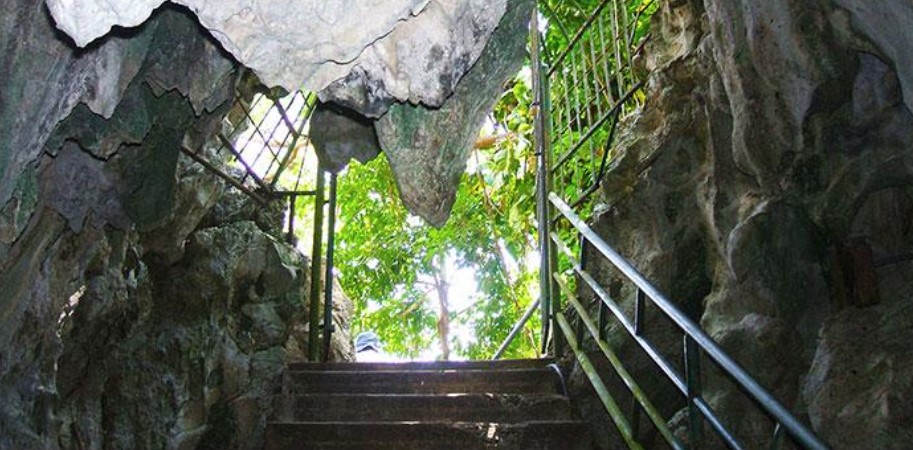
Roaring River Cave offers a unique blend of natural beauty, mineral springs, and Jamaican folklore. Nestled in the lush hills of Westmoreland, the cave has long been associated with stories of healing waters and local legends that add a sense of mystery to the experience.
The surrounding area is famous for its mineral-rich springs, which have attracted visitors for generations. Exploring the cave often includes learning about traditional beliefs, local history, and the cultural significance the site holds for nearby communities.
The cave’s peaceful setting, surrounded by tropical vegetation and rolling countryside, creates a relaxing atmosphere that differs from the more adventurous feel of Windsor Cave. Visitors often combine their cave experience with time spent enjoying the nearby mineral springs and scenic landscapes.
Why visit: Excellent for travelers interested in combining nature, wellness experiences, and Jamaican cultural traditions.
Cave Valley
As its name suggests, Cave Valley in St. Ann is a region known for its abundance of limestone formations and hidden caves scattered throughout the countryside. Far less visited than Green Grotto, the area offers an off-the-beaten-path adventure for travelers who enjoy discovering lesser-known destinations.
The caves in this region vary in size and accessibility, with some requiring short hikes through forests and rural landscapes. The area’s relative isolation means visitors can enjoy a quieter, more immersive experience, often with few other people around.
Beyond the caves themselves, Cave Valley provides an opportunity to experience rural Jamaica, with its rolling hills, lush vegetation, and peaceful atmosphere. The region showcases the island’s remarkable geological diversity and rewards travelers willing to venture beyond the traditional tourist routes.
Why visit: Ideal for independent travelers, hikers, and explorers looking for hidden gems and authentic rural experiences.
Choosing the Right Cave Experience
Each of Jamaica’s cave systems offers something different:
- Green Grotto Caves: Best for families and first-time cave visitors.
- Windsor Cave: Best for adventure and experienced cavers.
- Gourie Cave: Best for geology and large underground chambers.
- Roaring River Cave: Best for folklore, mineral springs, and cultural experiences.
- Cave Valley: Best for off-the-beaten-path exploration and rural scenery.
Together, these remarkable cave systems reveal that Jamaica’s beauty extends far beneath its famous beaches and waterfalls, offering adventurous travelers an entirely different perspective on the island’s natural wonders.
Best Time to Visit Green Grotto Caves
One advantage of visiting a cave is that weather conditions matter less than they do for many outdoor attractions.
However, the dry season from December through April remains the most popular time to visit Jamaica. During these months, travel conditions are generally more comfortable, and visitors can combine cave exploration with beach days and outdoor adventures.
Morning visits are often recommended because temperatures outside are cooler and tour groups may be smaller.
If you’re traveling during the summer or rainy season, Green Grotto can be an excellent activity because the cave provides shelter from both heat and occasional showers.
Nearby Attractions to Combine with Your Visit
Green Grotto’s north coast location makes it easy to combine with other popular attractions.
Many travelers pair their cave visit with:
- Beach time in Runaway Bay
- A trip to Ocho Rios
- Visits to local historical sites
- Nature excursions and eco-parks
- Local restaurants serving authentic Jamaican cuisine
This makes Green Grotto a great addition to a full day of exploration rather than a standalone stop.
Tips for First-Time Cave Explorers
Exploring a cave for the first time is an exciting experience. Unlike beaches, waterfalls, or hiking trails, caves present an entirely different environment cooler, darker, and filled with ancient geological wonders that have formed over thousands or even millions of years. A little preparation can help you feel more comfortable and allow you to fully appreciate the adventure.
Wear Comfortable Footwear
Choosing the right footwear can make a significant difference during your visit. Cave pathways often include stairs, uneven surfaces, and occasionally damp areas where moisture naturally accumulates.
Closed-toe shoes with good grip, such as sneakers or hiking shoes, are highly recommended. They provide better stability and help prevent slips while allowing you to navigate comfortably through the cave’s passageways.
Avoid wearing flip-flops, high heels, or shoes with smooth soles, as they can make walking more difficult on wet or uneven surfaces.
Bring a Light Layer
One of the first things many visitors notice when entering a cave is the change in temperature. Even if it’s a warm, sunny day outside, caves generally remain much cooler due to their underground environment and limited exposure to sunlight.
A lightweight sweater, long-sleeve shirt, or light jacket can make your visit more comfortable, particularly if you tend to get cold easily. The cooler air is often refreshing after spending time outdoors in Jamaica’s tropical climate, but having an extra layer ensures you can enjoy the experience without feeling chilly.
Follow Your Guide
For first-time cave explorers, guided tours provide both safety and valuable insight. Cave guides are familiar with the layout, history, and unique features of the cave system, helping visitors navigate areas that may otherwise be confusing.
Guides also point out fascinating details that you might overlook on your own, including ancient rock formations, hidden chambers, historical artifacts, and the wildlife that inhabits the cave.
Equally important, guides help ensure visitors stay on designated pathways, protecting both guests and the delicate cave environment.
Respect the Environment
Caves are among the most fragile natural environments on Earth. Many of the stunning formations inside caves have developed slowly over thousands of years as mineral-rich water deposited tiny amounts of limestone over time.
Whenever possible, avoid touching stalactites, stalagmites, and other formations. Oils and residue from human hands can interfere with their natural growth and may permanently damage these ancient features.
Respecting the environment also means:
- Staying on marked paths
- Avoiding littering
- Keeping noise levels reasonable
- Never removing rocks, formations, or natural objects from the cave
- Respecting cave-dwelling wildlife, including bats and insects
Practicing responsible tourism helps preserve these extraordinary underground landscapes for future generations.
Bring a Camera
Caves can be surprisingly photogenic. Dramatic rock formations, unusual textures, shafts of light, and underground water features create countless opportunities for memorable photographs.
The underground lake, towering chambers, and limestone formations often produce striking images that look almost otherworldly. If you’re bringing a camera or smartphone, consider these tips:
- Turn off the flash when appropriate to avoid harsh reflections.
- Hold your camera steady in lower light conditions.
- Take wide-angle shots to capture the scale of the chambers.
- Include people in some photos to show the size of the cave formations.
Most importantly, don’t spend the entire visit behind a camera lens. Take time to pause, look around, and appreciate the atmosphere. For many first-time cave explorers, the sense of stepping into a hidden underground world becomes one of the most memorable parts of the entire journey.
Take Your Time and Enjoy the Experience
Perhaps the best advice for first-time cave explorers is simply to slow down. Caves invite a different pace of travel. The cool air, unusual sounds, and ancient formations create an environment that feels far removed from everyday life.
Approach the experience with curiosity, listen to your guide’s stories, and allow yourself to appreciate the remarkable natural processes that shaped these underground spaces. With a little preparation and an open mind, your first cave adventure can become one of the most memorable experiences of your trip to Jamaica.
Why Cave Tourism Is Growing in Jamaica
As travelers increasingly seek authentic experiences, cave tourism has become more popular throughout the Caribbean.
Many visitors now want more than beaches and resorts. They are looking for opportunities to connect with local history, nature, and culture.
Green Grotto perfectly reflects this trend. It provides insight into Jamaica’s geological origins while also telling important stories about the island’s people and heritage.
For travelers who want a deeper understanding of Jamaica beyond the postcard images, cave exploration offers a unique perspective.
Is Green Grotto Worth Visiting?
For most travelers, the answer is an easy yes.
Green Grotto Caves offers one of the most unique experiences in Jamaica. It combines natural beauty, fascinating history, educational value, and adventure in a way few attractions can match. Whether you’re interested in geology, culture, photography, or simply trying something different during your vacation, the cave delivers an experience that is both memorable and rewarding.
While Jamaica’s beaches, waterfalls, and resorts deserve their popularity, exploring Green Grotto reveals another side of the island, one hidden beneath the surface and filled with stories that span centuries.
If you’re planning a trip to Jamaica and want to experience more than the typical tourist attractions, add Green Grotto Caves to your itinerary. It’s family-friendly, historically significant, easy to access, and offers a fascinating glimpse into Jamaica’s natural and cultural heritage. A few hours underground may end up being one of the highlights of your entire Jamaican vacation.
Recommended

Travelazz makes exploring the world simple, smart, and inspiring. Let us explorer the world together. Travel solo yet never alone.
Are you a traveler, blogger or writer with a story to share?
You can write for Travelazz to educate and inspire adventurous explorers worldwide.