If you have been following Caribbean travel lately, you might have noticed a quiet but important shift. Beyond the beaches and resorts, a new kind of competition is taking shape. It is not about who has the biggest hotel or the busiest port, but which destinations are actually making tourism more sustainable.
That conversation has now taken center stage with the release of the 2026 E-Finity Caribbean Green Awards, a regional recognition program that highlights the people and places pushing environmental innovation forward across the Caribbean. The awards, shaped by thousands of public votes, focus on real-world efforts in clean energy, conservation, and responsible tourism development.
Presented by E-Finity Distributed Generation in partnership with Caribbean Journal, the program is less about symbolism and more about spotlighting action. From island nations investing in renewable energy to hotels redesigning how they operate, the message is clear. Sustainability is no longer a side project. It is becoming part of the region’s identity.
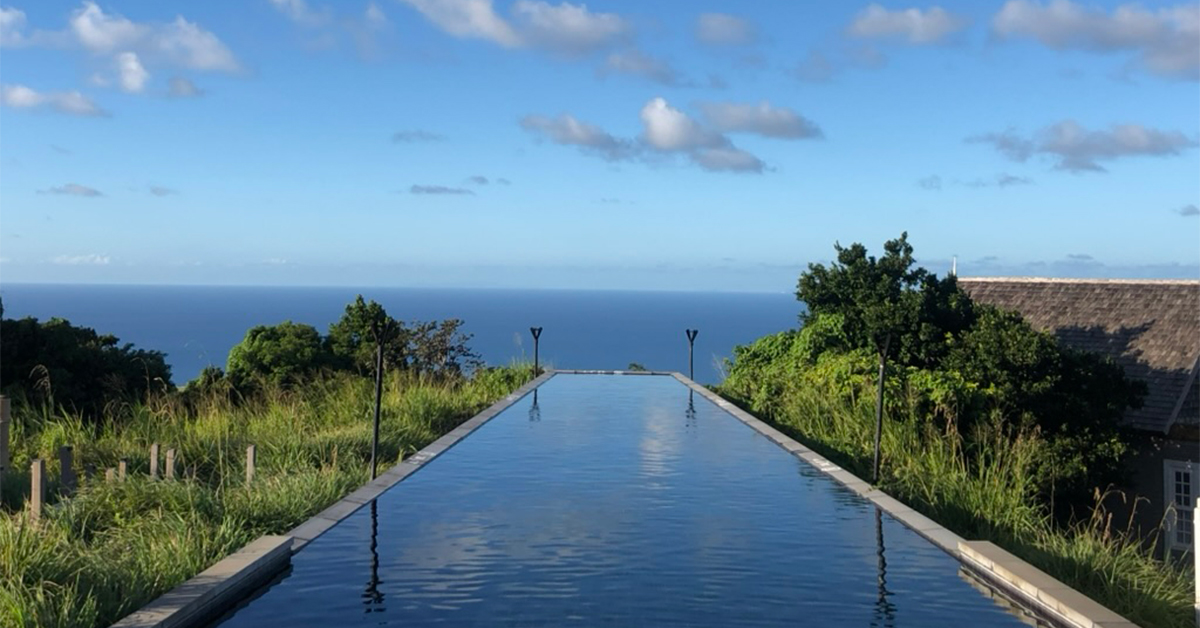
One of the biggest winners this year is Saint Kitts, which was named Green Destination of the Year. The island has been steadily building a reputation for balancing tourism with environmental protection. That includes expanding conservation areas, supporting renewable energy initiatives, and encouraging more responsible development along its coastline.
What stands out about St Kitts is not just policy, but scale. This is not a large destination trying to retrofit sustainability later. It is a smaller island actively shaping its growth around environmental limits from the beginning. For travelers, that often translates into cleaner natural spaces, less overcrowding, and a more intentional tourism experience.
Other winners across the region, including projects in Turks and Caicos Islands and Jamaica, reflect similar priorities. Whether it is energy efficiency in hotels, marine conservation programs, or community based tourism initiatives, the Caribbean is increasingly treating its natural environment as its most valuable asset rather than just a backdrop.
What makes this moment interesting is how quickly sustainability has moved from a niche topic to a mainstream tourism driver. A decade ago, eco friendly travel in the Caribbean was often limited to small boutique properties or isolated conservation projects. Now, it is being discussed at the destination level, with governments, developers, and tourism boards all involved.
There is also a broader global shift influencing this trend. Travelers are becoming more aware of where their money goes and how their trips impact local communities. That awareness is pushing destinations to rethink everything from energy use to waste management. In the Caribbean, where tourism is deeply tied to natural resources like beaches and coral reefs, that pressure is even more visible.
For travelers, this evolution is starting to show up in subtle but meaningful ways. Resorts are introducing solar power systems, reducing single use plastics, and offering more locally sourced food options. Some destinations are also investing in coral reef restoration and protecting marine parks that visitors can actually experience firsthand.
There is also a Caribbean specific angle that matters here. Many islands face the same challenge. They depend heavily on tourism while also being on the front line of climate change. Rising sea levels, stronger storms, and coastal erosion are not abstract risks. They are immediate realities. That makes sustainability not just a marketing choice, but a survival strategy.
How This Affects Travelers
If you are planning a Caribbean vacation, you may start to notice more hotels and destinations highlighting their environmental efforts. This can mean everything from energy efficient resorts to guided eco tours and protected marine areas. Choosing these experiences not only supports local conservation efforts, but often gives travelers access to less crowded and more naturally preserved environments.
It also means that some destinations may introduce new visitor guidelines in protected areas. These are usually designed to preserve reefs, beaches, and wildlife, so it is worth paying attention to local rules when you arrive.
Wrap with a takeaway for travelers
The Caribbean is not just promoting sustainability, it is actively building it into how tourism works. For travelers, that means better informed choices and more meaningful experiences that help protect the places they came to enjoy.
Recommended
Are you a traveler, blogger or writer with a story to share?
You can write for Travelazz to educate and inspire adventurous explorers worldwide.