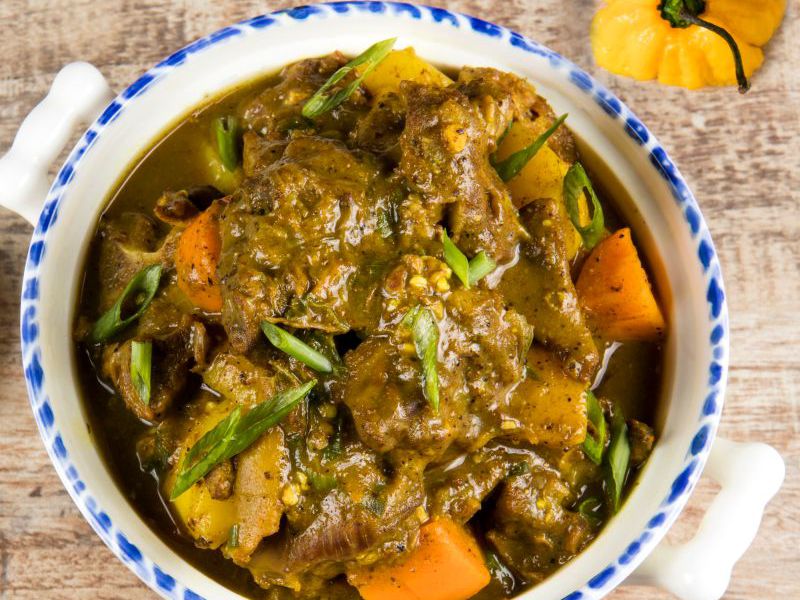
Platforms like TikTok and Instagram have helped amplify that momentum, but this goes beyond viral content. Jamaican cuisine is being reshaped, reinterpreted, and introduced to new audiences in ways that would have felt unlikely just a few years ago.
This isn’t just popularity. It’s evolution.
Oxtail Lands in an Unexpected Place
One of the clearest examples is unfolding in the Bronx, where IHOP has added oxtail to menus at select locations. It’s the first time the chain has offered the dish in the United States, and it’s not being served in the traditional way.
Instead, oxtail is being folded into familiar formats like omelettes, tacos, and quesadillas. The concept, led by Chef Cory Lawrence, was designed to connect with the local community while introducing the dish to new diners.
Importantly, Jamaican culinary input was brought in to get the flavor right. That decision matters, because authenticity is often where these crossovers succeed or fail.
Early reactions suggest it’s working. Locations have seen strong demand, repeat orders, and curiosity from first-time customers. Even pop culture figures like Cardi B have taken notice.
It’s a sign of how Jamaican flavors are entering everyday dining spaces, not as novelties, but as part of the menu.
From Home Kitchens to School Cafeterias
Across the Atlantic, Jamaican dishes are finding a place in a different kind of setting. In the UK, meals like jerk chicken and rice and peas are now part of updated school food guidance, encouraging more culturally diverse menus.
That shift is about more than food. It reflects changing demographics and a push to better represent the communities that make up modern Britain.
For Caribbean families, it’s also meaningful. Dishes that were once seen as “cultural” or niche are now being recognized as part of everyday eating. For students, it’s exposure to flavors they might not have encountered otherwise.
It’s a quiet but important form of normalization.
Turning Up the Heat on the Global Stage
Jamaican cuisine is also gaining attention for what it’s always done best, bold flavor.
Dishes like jerk chicken and curry goat have recently been highlighted among the world’s spiciest, standing alongside other heat-driven cuisines. But the appeal isn’t just about spice level.
It’s about depth. Scotch bonnet peppers bring heat, but also fruitiness. Spice blends add layers rather than just intensity. These are flavors built over time, rooted in history and technique.
Across the Caribbean, similar traditions show up in dishes like Guyana’s awara broth and Haiti’s griot, reinforcing the region’s reputation for complex, expressive cooking.
A Full-Circle Moment in Ghana
Perhaps the most interesting evolution is happening through fusion. In Accra, Kingston Kitchen GH has introduced a jollof rice patty, combining one of West Africa’s most iconic dishes with Jamaica’s signature pastry.
It’s more than creative cooking. It’s a cultural loop closing in real time.
Jollof rice and Jamaican cuisine share historical connections through the African diaspora. Bringing them together in a single dish feels both modern and symbolic, a reminder that food travels, adapts, and reconnects.
Why This Moment Feels Different
Jamaican food has always been popular, especially within diaspora communities. What’s changing now is where it shows up and who is engaging with it.
It’s appearing in fast-casual chains, school systems, global rankings, and experimental kitchens. It’s being introduced to people who may have never visited the Caribbean, but are now familiar with its flavors.
For Caribbean travelers, especially Jamaicans, there’s a sense of recognition in seeing these dishes gain wider respect. At the same time, it raises important questions about preserving authenticity as the cuisine evolves.
How This Affects Travelers
If you’re traveling, you’ll likely notice Jamaican flavors in more places than before, whether it’s a fusion dish in a major city or a reinterpretation on a global menu.
But it also makes visiting Jamaica even more compelling. After trying adapted versions abroad, many travelers want to experience the original, whether that’s jerk straight from a roadside grill or a home-style plate of curry goat.
There’s also more variety on the island itself, with chefs blending traditional recipes and modern techniques in new ways.
Jamaican cuisine isn’t just expanding. It’s being redefined in real time.
From the Bronx to London to Accra, these flavors are finding new forms without losing their roots. And as they continue to travel, they’re bringing a piece of the island with them.
Recommended



Are you a traveler, blogger or writer with a story to share?
You can write for Travelazz to educate and inspire adventurous explorers worldwide.