
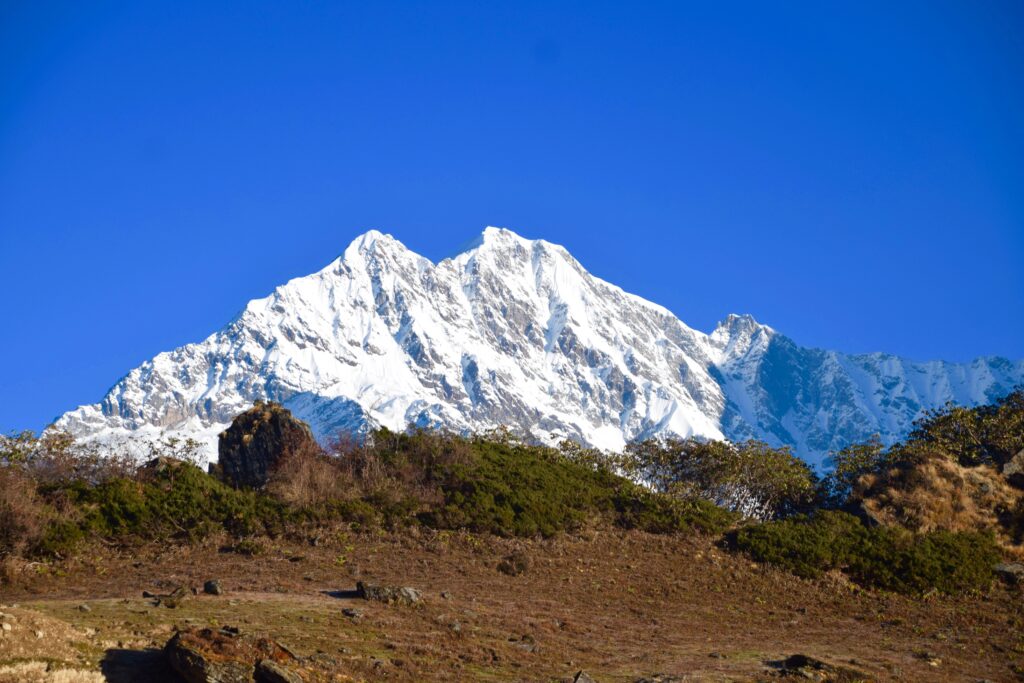
Nepal is famous for its Himalayan mountains and legendary trekking routes, but some of its most rewarding adventures take place beyond the busiest trails. The Pikey Peak Trek, in the Solukhumbu region, offers panoramic mountain views, traditional villages, forest paths, and opportunities to experience Sherpa culture.
Reaching approximately 4,065 metres (13,337 feet), Pikey Peak is a rewarding option for travelers who want to experience the Everest region without committing to the longer Everest Base Camp trek. The journey combines mountain scenery with quieter rural landscapes and locally operated teahouses.
Although the trek does not usually require technical climbing skills, it involves sustained walking, steep sections, changing weather, and significant altitude. Good preparation is essential, particularly for first-time Himalayan trekkers.
This guide covers the route, travel logistics, best seasons, accommodation, fitness requirements, and safety considerations to help you plan your adventure.
Where Is Pikey Peak in Nepal?
Pikey Peak is located in the Solukhumbu District of eastern Nepal, within the wider region associated with Mount Everest and Sherpa heritage.
The surrounding landscape includes forested hills, open ridgelines, mountain settlements, Buddhist monasteries, and high-altitude viewpoints. On clear days, the summit offers sweeping views of the Himalayas, including Mount Everest and other prominent peaks.
Unlike the classic Everest Base Camp itinerary, the standard Pikey Peak route can be reached by road from Kathmandu. This makes it an appealing alternative for travelers who would prefer not to rely on a flight to Lukla, although road journeys can be long and affected by local conditions.
The route also provides opportunities to spend time in villages and experience a different pace of travel in the lower Everest region.
What Makes the Pikey Peak Trek Special?
Panoramic Himalayan views
The summit viewpoint is one of the trek’s main attractions. An early morning ascent can reward hikers with expansive mountain scenery as the first sunlight reaches the Himalayan peaks.
Everest is among the mountains visible under favorable conditions, but visibility depends on weather, cloud cover, and the season. It is best to allow some flexibility in your schedule rather than plan the entire experience around a guaranteed sunrise view.
Sherpa culture and village life
The trail passes through settlements where local culture, Buddhist traditions, monasteries, prayer flags, and traditional architecture form part of everyday life.
Spending time in these communities can add cultural depth to the journey. Travelers should be respectful when visiting religious sites, ask permission before photographing residents, and consider using locally operated accommodation and services.
Forests and varied landscapes
Depending on the route and season, hikers may pass through pine and rhododendron forests, agricultural land, open ridges, and mountain pastures.
Spring can be particularly attractive when rhododendrons bloom. The scenery changes as the trail gains elevation, giving photographers and nature enthusiasts plenty to appreciate beyond the summit itself.
How Long Does the Pikey Peak Trek Take?
Many itineraries allow approximately five to seven days of trekking, while longer trips include additional village visits, rest time, or travel days. Your total holiday will need to account for transportation between Kathmandu and the trailhead, as well as your return journey.
The route commonly begins around Dhap and may continue through Jhapre and Pikey Base Camp before descending toward Junbesi or Phaplu. Exact routes and overnight stops vary by operator and trail conditions.
Example seven-day itinerary
Day 1: Kathmandu to Dhap
Travel by road from Kathmandu toward Dhap. The drive can take much of the day, depending on road conditions and traffic. Rest and prepare for the trek.
Day 2: Dhap to Jhapre
Begin walking through rural landscapes and along rising trails toward Jhapre. The day introduces you to the region’s village scenery and mountain environment.
Day 3: Jhapre to Pikey Base Camp
Continue through forested paths and open terrain toward the higher elevations near Pikey Peak. Walk at a comfortable pace and allow time to adjust to the altitude.
Day 4: Summit of Pikey Peak and descent
Start early if conditions permit to reach the summit around sunrise. After enjoying the views, descend according to your chosen route and the day’s walking requirements.
Day 5: Continue toward Junbesi
Descend through mountain landscapes and settlements toward Junbesi, a village associated with Sherpa culture and Buddhist traditions.
Day 6: Explore the area or continue toward Phaplu
Depending on your itinerary, use the day to explore nearby cultural sites or continue walking toward Phaplu.
Day 7: Return toward Kathmandu
Travel back by road, allowing sufficient time for delays and onward connections.
This is an illustrative itinerary, not a fixed route or guarantee of walking times. Some itineraries combine stages, use different overnight stops, or require additional days. A local trekking operator can help adapt the plan to your fitness, travel dates, and current trail conditions.
How Difficult Is the Pikey Peak Trek?
Pikey Peak is generally described as a moderate trek. It can suit reasonably fit beginners, but it should not be treated as an easy walk.
The route includes uphill climbs, descents, uneven ground, and long walking days. Conditions may be more demanding in cold weather, after rainfall, or when snow affects higher sections.
You do not normally need technical mountaineering skills for the standard trekking route. However, preparation makes a significant difference.
Before departure, build your stamina through regular walking, hill training, stair climbing, or hikes with a loaded daypack. Choose footwear that you have already worn on longer walks, and avoid starting the trek with brand-new boots.
Most importantly, choose an itinerary that gives you enough time to walk comfortably and respond to changing conditions.
Best Time to Trek Pikey Peak
Spring and autumn are generally the most popular seasons for Himalayan trekking because they often provide favorable weather and good opportunities for mountain views.
Spring: March to May
Spring brings milder daytime conditions in many areas and the possibility of rhododendron blooms along forested sections. March can still be cold at higher elevations, so appropriate warm clothing remains important.
Autumn: September to November
Autumn is another popular period, particularly after the monsoon rains have passed. Clear mornings can provide excellent mountain visibility, although weather conditions are never guaranteed.
Winter: December to February
Winter can offer quiet trails and clear skies, but temperatures may fall below freezing at higher elevations. Snow, ice, shorter daylight hours, and limited accommodation services can make the trek more challenging.
Monsoon: June to August
Rain can make trails slippery, increase the risk of landslides on some roads, and obscure mountain views. Travelers considering a monsoon trek should seek current local advice and be prepared to change their plans.
For most visitors, spring or autumn is a sensible starting point when choosing travel dates.
How to Get to Pikey Peak
Most travelers begin their journey in Kathmandu and travel by road toward the Solukhumbu region. Dhap is a common starting point for itineraries that approach Pikey Peak from this direction.
Road travel can take several hours and may be affected by traffic, roadworks, weather, and seasonal conditions. Confirm the departure point, expected journey time, and transportation arrangements before leaving Kathmandu.
Some itineraries finish around Phaplu or Junbesi, so check how your chosen operator plans the return journey. Do not assume that your trek will start and finish in the same village.
Allow a buffer before any international flight or important onward connection. A delay on a mountain road can affect your schedule, and a little flexibility makes the trip less stressful.
Permits, Guides and Travel Insurance
Permit requirements can depend on the exact route and the areas crossed. Information published online is not always consistent, particularly where routes approach different conservation areas.
Before departure, confirm the current requirements with a reputable local trekking operator or the relevant Nepalese authorities. Ask which permits or local entry fees apply, whether they are included in your package, and what identification or documents you must carry.
A knowledgeable local guide can help with navigation, accommodation arrangements, cultural interpretation, and decisions when weather or trail conditions change. Confirm any applicable guide requirements before booking.
Travel insurance is also important. Check that your policy explicitly covers trekking to at least 4,100 metres, emergency medical treatment, evacuation where available, and trip disruption as appropriate. Standard travel insurance may exclude high-altitude trekking or helicopter evacuation unless these are specifically covered.
Where to Stay and What to Eat
Accommodation along the Pikey Peak route generally consists of locally operated teahouses, small lodges, and guesthouses. Facilities vary between settlements and may be more basic than those in major trekking centers.
Rooms may be simple, heating can be limited, and hot water, charging facilities, and internet access may not always be available. Ask your operator what accommodation is planned and whether sleeping bags are recommended for your travel dates.
Meals often include dal bhat, a traditional Nepalese dish made with rice, lentils, vegetables, and accompanying sides. Depending on the lodge, you may also find soups, noodles, potatoes, eggs, bread, and hot drinks.
Eat regularly during walking days and carry suitable snacks for longer stretches between settlements. Use safe drinking water and follow local guidance on water treatment.
Booking arrangements in advance can be especially helpful during busy trekking periods or when traveling with a group.
What Should You Pack for Pikey Peak?
Mountain weather can change quickly, and temperatures at the summit may be very different from conditions in lower villages.
Useful items include:
- Broken-in trekking boots with good grip.
- Moisture-managing base layers and warm insulating clothing.
- A waterproof jacket and suitable rain protection.
- Warm gloves, a hat, and spare socks.
- Sunglasses and high-SPF sunscreen.
- A reusable water bottle or hydration system.
- A headlamp for early starts.
- A personal first-aid kit and any required medication.
- A daypack, personal documents, and suitable travel insurance details.
- Cash in Nepalese rupees for expenses where card payments are unavailable.
A warm sleeping bag may be useful depending on the season and accommodation arrangements. Check conditions before departure rather than packing on the assumption that every lodge provides the same facilities.
Altitude Safety: What Trekkers Need to Know
Pikey Peak reaches approximately 4,065 metres, where altitude-related illness is a genuine concern. Physical fitness does not guarantee protection against altitude sickness.
Headache, nausea, dizziness, unusual fatigue, or loss of appetite can be signs of altitude-related illness. Symptoms should not be dismissed as normal tiredness, especially if they worsen.
Ascend gradually where possible, follow a sensible itinerary, and communicate any symptoms to your guide or trekking companions. If altitude sickness is suspected, do not continue ascending. Worsening symptoms require prompt medical assessment and descent when indicated.
Confusion, difficulty walking straight, or breathlessness at rest are emergency warning signs. Seek urgent help and descend with assistance as safely and quickly as possible.
Hydration and rest are useful parts of preparation, but they do not prevent altitude sickness on their own. Speak with a qualified healthcare professional before departure if you have concerns about altitude or your fitness for the trek.
Responsible Trekking in the Solukhumbu Region
Responsible travel helps protect the environment and supports the communities that welcome visitors.
Carry waste out when suitable disposal facilities are unavailable, avoid disturbing wildlife, and respect local guidance around forests and religious sites. Ask permission before photographing people or entering private spaces.
Using local lodges, guides, and other community-based services can help direct tourism spending toward residents. Treat cultural encounters as opportunities to learn rather than as attractions to be consumed.
Travelers should also remain flexible. Weather, road conditions, and local circumstances can change, and adapting your itinerary is sometimes the most responsible decision.
Is Pikey Peak Worth Adding to Your Nepal Trip?
The Pikey Peak Trek offers an appealing combination of Himalayan scenery, village life, forest landscapes, and a summit viewpoint without requiring the longer itinerary associated with Everest Base Camp.
It can be a good choice for travelers who enjoy walking, want to experience the Solukhumbu region, and have enough time to prepare for a high-altitude trek. However, it is not a substitute for planning carefully. The terrain, weather, road access, and altitude all deserve consideration.
Choose your season thoughtfully, confirm route and permit details, prepare physically, and arrange suitable insurance before departure. With realistic expectations and respect for local communities, Pikey Peak can become a memorable part of a Nepal adventure.
Recommended



Are you a traveler, blogger or writer with a story to share?
You can write for Travelazz to educate and inspire adventurous explorers worldwide.

No Comments