
For a while, it felt like the Caribbean travel boom had started cooling off.
The post-pandemic frenzy that sent travelers rushing to tropical islands seemed to be losing steam through much of 2025. Hotel occupancy softened across the region. Industry optimism became more cautious. Airlines still added flights, resorts still opened, but the unstoppable momentum that defined the early recovery years no longer felt quite as explosive.
Travelers were still coming, of course.
But the atmosphere had changed.
Then quietly, almost unexpectedly, the Caribbean started heating up again.
Not gradually.
Fast.
By the time March 2026 arrived, something unmistakable was happening across the region. Hotels were fuller. Airports were busier. Tourism boards started reporting stronger numbers. Travelers who had spent months hesitating suddenly began booking again.
And now, the Caribbean finds itself at the center of another major tourism surge.
Only this time, the reasons behind it are more complicated than simple post-pandemic revenge travel.
The Caribbean is benefiting from a unique mix of global uncertainty, changing traveler psychology, shifting airline patterns, and renewed demand for destinations that feel close, familiar, safe, and emotionally restorative.
In other words, the Caribbean is becoming exactly what travelers want right now.
The Numbers Suddenly Started Turning Around
For much of 2025, the regional tourism picture looked uneven.
Tourist arrivals across the Caribbean rose modestly, but hotel occupancy struggled in many destinations. According to regional hospitality data, occupancy levels declined for much of the year, creating concern that the explosive travel demand seen after the pandemic might finally be leveling out.
Then December arrived.
Something shifted during the holiday season, even before the peak festive rush fully kicked in.
Airports across the Caribbean started seeing unusually strong traffic. Barbados, in particular, experienced a notable surge in passenger movement through Grantley Adams International Airport well ahead of Christmas and New Year’s travel peaks.
At the same time, hotel occupancy numbers unexpectedly moved back into positive territory.
That momentum accelerated quickly in early 2026.
January occupancy climbed.
February jumped even higher.
Then March delivered one of the strongest hotel performance months the Caribbean has seen in years, surpassing levels recorded not only in 2025, but also outperforming comparable months in 2024, 2023, and even parts of the immediate post-pandemic rebound.
The region was not just recovering anymore.
It was surging again.
Why Travelers Are Falling Back in Love With the Caribbean
The Caribbean holds a unique psychological position in global travel.
For millions of travelers, especially from North America, it represents something emotionally simple and comforting.
Warm weather.
Short flights.
Familiar hospitality.
Easy beach access.
No complicated logistics.
At a time when many travelers feel increasingly overwhelmed by global instability, expensive long-haul travel, crowded airports, and uncertainty abroad, the Caribbean suddenly feels easier again.
That emotional ease matters more than people realize.
Travelers are no longer booking vacations based purely on price or trendiness. Increasingly, they are prioritizing peace of mind.
The Caribbean delivers that unusually well.
You can leave a cold North American city in the morning and be sitting on a beach by afternoon. English is widely spoken across much of the region. Tourism infrastructure is mature. Resorts know how to cater to international travelers seamlessly.
And after years of global unpredictability, familiarity has become deeply attractive.
The Cuba Effect Is Reshaping Caribbean Tourism
One of the most significant tourism shifts in 2026 has come from an unexpected source: Cuba.
For years, Canada remained Cuba’s largest tourism market, sending huge numbers of travelers south every winter. But operational disruptions earlier this year dramatically changed those patterns.
When Canadian airlines reduced or halted service to Cuba due to fuel supply complications, travelers who normally vacationed there suddenly needed alternatives.
And they did not stop traveling.
They simply redirected their demand elsewhere across the Caribbean.
This shift created ripple effects across multiple destinations.
The Cayman Islands began seeing strong increases in Canadian visitors. Barbados benefited as well. Other islands with strong airlift connections from Canada also started capturing displaced demand almost immediately.
Canadian travelers, many of whom travel frequently during winter and spring seasons, already love the Caribbean product. Once Cuba became less accessible, nearby islands naturally became the replacement.
That trend is still unfolding.
And it may continue influencing regional tourism patterns for months.
Mexico’s Challenges Are Creating Opportunity for the Caribbean
The Caribbean is also benefiting from changing traveler perceptions surrounding Mexico.
For years, destinations like Cancun, Tulum, and Puerto Vallarta dominated international beach tourism demand from the United States and Canada. Massive resort growth, affordable packages, and nonstop airlift made the Mexican Caribbean one of the world’s most powerful tourism engines.
But traveler psychology can shift quickly.
High-profile security concerns, media coverage surrounding crime perceptions, and growing concerns about overtourism in some Mexican hotspots have caused some travelers to reconsider where they feel most comfortable vacationing.
The Caribbean suddenly looks appealing for travelers wanting a similar tropical experience with a different atmosphere.
Travelers still want beaches, resorts, turquoise water, nightlife, and warm weather.
But many now also want destinations that feel calmer, more intimate, and less overwhelming.
Smaller Caribbean islands naturally benefit from that emotional shift.
Instead of giant tourism corridors packed with mega-resorts and heavy traffic, travelers increasingly seek islands where life still feels slower and more personal.
That does not mean Mexico is disappearing as a tourism powerhouse.
Far from it.
But even a small percentage of travelers shifting away from Mexico creates enormous opportunity for Caribbean destinations.
Travelers Are Staying Closer to Home
Another major factor influencing Caribbean tourism growth is global instability.
Long-haul travel has become more expensive, more unpredictable, and emotionally more exhausting for many travelers.
International conflicts, rising airfare costs, and operational disruptions across global aviation have made many travelers rethink complicated international itineraries.
The Caribbean benefits enormously from proximity.
For American travelers especially, the region feels accessible in a way Europe, Asia, or the Middle East currently may not.
A four-hour flight to Barbados or Jamaica suddenly feels far more appealing than navigating long-haul international routes involving multiple layovers, high airfare, and uncertain travel conditions.
Even luxury travelers are showing stronger interest in shorter-haul vacations that maximize relaxation while minimizing logistical stress.
This trend toward regional travel is becoming increasingly important across the global tourism industry.
And the Caribbean sits perfectly positioned to capitalize on it.
The Caribbean Is Also Winning the Social Media Battle
The Caribbean understands visual tourism better than almost anywhere else.
Instagram, TikTok, YouTube, and travel influencer culture continue driving huge portions of modern travel demand. Few regions generate visual desire as consistently as the Caribbean.
Turquoise water still works.
Palm trees still work.
Beachfront infinity pools still work.
But the Caribbean’s advantage goes deeper than aesthetics.
The region offers emotional escapism.
Travelers increasingly crave vacations that feel restorative rather than exhausting. They want slower mornings, ocean air, outdoor dining, barefoot luxury, and destinations where relaxation does not require effort.
Social media amplifies this perfectly.
A short clip of sunset cocktails in Saint Lucia or morning swims in Turks and Caicos immediately communicates a feeling travelers want in their own lives.
That emotional marketing remains incredibly powerful.
Some Islands Are Performing Especially Well
While the overall Caribbean picture looks strong, certain destinations are clearly emerging as standout performers in 2026.
The Cayman Islands continue attracting affluent travelers, divers, food lovers, and luxury resort guests while benefiting heavily from Canadian demand shifts.
Barbados remains one of the region’s most balanced destinations, combining luxury tourism, strong culinary appeal, digital nomad infrastructure, and a highly recognizable international brand.
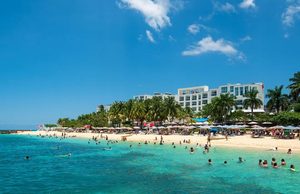
Jamaica continues performing strongly because of its broad tourism appeal. The island attracts everyone from all-inclusive resort travelers to adventure seekers, music lovers, food tourists, and luxury villa guests.
The Bahamas also continues seeing strong performance thanks to massive airlift from the United States and its reputation for quick, easy luxury escapes.
Meanwhile, smaller islands increasingly benefit from travelers seeking quieter alternatives to larger tourism hotspots.
Destinations like Antigua, Anguilla, Dominica, Grenada, and Saint Vincent are drawing travelers searching for authenticity, nature, wellness experiences, and slower-paced Caribbean travel.
Travelers Are Looking for Experiences, Not Just Resorts
Another major change shaping Caribbean tourism is what travelers actually want once they arrive.
The old all-inclusive-only mentality is evolving.
Travelers increasingly want immersion.
Food trails.
Local rum shops.
Boat charters.
Hiking excursions.
Street food.
Jazz festivals.
Beach bars.
Carnival events.
Cooking classes.
Cultural experiences.
The islands performing best right now are often the ones successfully telling richer stories beyond beaches alone.
That storytelling matters enormously in modern tourism marketing.
Travelers no longer simply want to sit beside a pool for a week.
They want experiences that feel memorable and shareable.
The Caribbean’s diversity gives it a major advantage here. Every island carries distinct culture, food, music, dialects, landscapes, and traditions.
That variety creates endless opportunity for experiential travel growth.
Why Some Caribbean Destinations Still Struggle
Not every island is automatically benefiting equally from the current tourism surge.
Some destinations continue facing challenges tied to airlift limitations, weak marketing, aging hotel infrastructure, or inconsistent tourism messaging.
The difference increasingly comes down to visibility.
Travelers have endless choices right now. Islands that successfully market themselves emotionally and digitally are outperforming those relying solely on traditional tourism strategies.
Modern travelers want stories.
They want aspiration.
They want clear identity.
The destinations succeeding in 2026 understand this deeply.
They are not simply selling beaches.
They are selling atmosphere.
Luxury Travel Is Quietly Fueling Much of the Boom
One major driver behind the Caribbean’s current strength is the resilience of luxury travel.
Affluent travelers continue spending aggressively on premium experiences despite broader economic uncertainty.
Luxury resorts across the Caribbean are benefiting from travelers prioritizing privacy, wellness, spacious accommodations, and personalized service.
Villa rentals continue growing rapidly.
Private yacht charters remain strong.
High-end wellness retreats, culinary tourism, and boutique resorts are attracting travelers willing to spend more for exclusivity and comfort.
The Caribbean fits perfectly into the luxury travel mindset because it combines convenience with aspiration.
Travelers can reach world-class resorts quickly without sacrificing tropical beauty or high-end service.
That combination remains difficult to compete with globally.
The Caribbean’s Biggest Challenge May Be Success Itself
As tourism surges again, the region also faces familiar questions about sustainability and overtourism.
Can infrastructure keep pace?
Can islands preserve authenticity while accommodating rising demand?
Can local communities benefit more directly from tourism growth?
These conversations are becoming increasingly important as travelers themselves grow more conscious about the impact of mass tourism.
Many travelers now actively seek destinations balancing economic growth with environmental protection and cultural preservation.
The Caribbean’s future success may depend on how well destinations manage that balance moving forward.
Travelers Tips
Book Caribbean travel earlier than expected for winter 2026 and spring 2027, especially for smaller islands with limited hotel inventory.
Look beyond the most famous islands. Lesser-known Caribbean destinations often deliver better value and fewer crowds.
Shoulder season travel in late spring and early summer can offer significantly lower rates without sacrificing weather quality.
Travelers wanting authentic experiences should spend time outside resort areas exploring local restaurants, beaches, and cultural attractions.
Direct flights increasingly shape destination popularity, so monitor new airline routes closely.
Luxury villa rentals can become surprisingly cost-effective for group travel.
The Caribbean is far more diverse than many travelers realize. Research each island carefully before booking.
Traveler Discussion
Which Caribbean island feels most exciting right now?
Have you changed your travel habits because of rising global uncertainty?
Do you prefer larger resort destinations or smaller, quieter Caribbean islands?
Could the Caribbean become even more popular over the next few years?
Are travelers increasingly prioritizing emotional comfort over trend-driven destinations?
The Caribbean’s Tourism Story Is Far From Finished
A year ago, many people wondered whether the Caribbean tourism boom was beginning to fade.
Now the region looks energized all over again.
Hotels are filling up.
Flights are expanding.
Travelers are returning with renewed enthusiasm.
But this moment feels different from the immediate post-pandemic rebound.
This is not simply revenge travel anymore.
It is travelers making deliberate choices about where they feel safest, happiest, and most emotionally restored.
The Caribbean continues offering something many destinations struggle to replicate.
Accessibility.
Warmth.
Escape.
And increasingly, peace of mind.
As travelers rethink what they truly want from vacations in a more uncertain world, the Caribbean may be entering another major era of tourism growth.
And this time, the momentum feels far more sustainable than anyone expected.
Recommended


Travelazz makes exploring the world simple, smart, and inspiring. Let us explorer the world together. Travel solo yet never alone.
Are you a traveler, blogger or writer with a story to share?
You can write for Travelazz to educate and inspire adventurous explorers worldwide.