
Introduction
There are places you visit, and then there are places that stay with you forever. Jamaica belongs firmly in the second category.
From the moment your plane begins its descent over shimmering turquoise waters, you understand why this Caribbean island has captured the imagination of travelers for generations. Palm-fringed beaches stretch along the coastline, emerald mountains rise dramatically in the distance, and colorful towns pulse with music, laughter, and the unmistakable rhythm of island life.
Jamaica is much more than an idyllic beach destination. It is a country where every parish has its own personality, every meal tells a story, and every road seems to lead to another unforgettable discovery. One day you might find yourself climbing waterfalls hidden within tropical rainforests. The next, you’re sipping freshly cut coconut water on a quiet beach while reggae drifts through the warm afternoon air.
Whether you’re planning a romantic getaway, a solo backpacking adventure, a family vacation, or an extended digital nomad escape, Jamaica offers experiences that go far beyond the typical Caribbean holiday. Luxury resorts stand alongside charming guesthouses, bustling cities contrast with sleepy fishing villages, and world-famous attractions share the spotlight with countless hidden gems waiting to be explored.
The island’s welcoming spirit is one of its greatest treasures. Jamaicans are known around the world for their warmth, resilience, humor, and hospitality. Visitors are often greeted like old friends, making it easy to feel at home while discovering a culture unlike anywhere else.
This guide takes you beyond the brochure version of Jamaica. You’ll discover iconic destinations, authentic local experiences, practical travel advice, and inspiration to explore every corner of one of the Caribbean’s most captivating islands.
Whether this is your first visit or your fifth, Jamaica always has another story to tell.
Quick Facts
Country: Jamaica
Capital: Kingston
Region: Caribbean
Official Language: English
Commonly Spoken: Jamaican Patois
Currency: Jamaican Dollar (JMD)
Time Zone: Eastern Standard Time (UTC-5)
International Airport: Sangster International Airport in Montego Bay and Norman Manley International Airport in Kingston
Driving Side: Left
Climate: Tropical with warm temperatures year-round
Average Temperature: 24°C to 31°C (75°F to 88°F)
Best Time to Visit: December through April for sunny weather, or May and June for fewer crowds and better prices
Visa Requirements: Many nationalities, including visitors from the United States, Canada, the United Kingdom, and much of the Caribbean, can enter without a visa for short tourist stays. Always check the latest entry requirements before traveling.
Average Daily Budget:
Budget Traveler: USD $60 to $100
Mid-Range Traveler: USD $150 to $300
Luxury Traveler: USD $400 and above
Famous For: Reggae music, Bob Marley, Blue Mountain Coffee, jerk cuisine, waterfalls, white sand beaches, rum, athletics, and vibrant culture
History of Jamaica
Jamaica’s beauty is impossible to ignore, but its history is equally compelling. Understanding the island’s past offers a deeper appreciation for the people, traditions, and culture that make Jamaica so distinctive today.
Long before European explorers arrived, Jamaica was home to the Taíno people, an Indigenous community that called the island Xaymaca, meaning “Land of Wood and Water.” The name was fitting then, and it remains just as appropriate today, with lush forests, winding rivers, cascading waterfalls, and fertile valleys covering much of the landscape.
Christopher Columbus arrived on the island in 1494, claiming it for Spain. Over time, European colonization transformed Jamaica, bringing profound changes to its people, land, and economy. In 1655, the British seized control of the island, and Jamaica became one of the British Empire’s most valuable colonies through the cultivation of sugar cane, a system built on the forced labor of enslaved Africans.
Although this period brought immense hardship, it also laid the foundations for the island’s rich cultural identity. African traditions blended with European influences and Indigenous heritage, shaping Jamaica’s language, music, cuisine, spirituality, and artistic expression.
Emancipation in 1838 marked a turning point, and after more than a century of political and social development, Jamaica achieved independence from Britain on August 6, 1962.
Since gaining independence, Jamaica has become one of the world’s most culturally influential nations. Its global impact far exceeds its size. Reggae music revolutionized the music industry, Jamaican athletes have dominated international competitions, and the island’s cuisine, fashion, and creative spirit continue to inspire millions around the globe.
Today, history lives alongside modern life. Colonial architecture stands beside colorful street art, historic plantations coexist with vibrant communities, and centuries-old traditions continue to thrive in everyday Jamaican culture.
For travelers, exploring Jamaica isn’t just about visiting beautiful places. It’s about experiencing the remarkable story of a nation shaped by resilience, creativity, and an enduring sense of pride.
Why Visit Jamaica
Every Caribbean island has its own appeal, but Jamaica offers something truly different.
This is a destination where adventure, culture, relaxation, and authenticity come together in ways few places can match.
If your dream vacation involves doing absolutely nothing, Jamaica delivers with some of the Caribbean’s most spectacular beaches. Soft white sand, crystal-clear water, swaying palm trees, and breathtaking sunsets provide the perfect setting to unwind.
If you’re an adventure traveler, the island quickly transforms into your playground. You can hike through misty mountain trails, raft down jungle rivers, snorkel colorful coral reefs, explore limestone caves, zipline through tropical forests, or climb waterfalls that have become world-famous.
Culture lovers will discover an island bursting with creativity. Reggae music, dancehall, colorful festivals, local art, storytelling, and lively markets create unforgettable experiences beyond the beaches.
Food enthusiasts quickly realize Jamaica is one of the Caribbean’s greatest culinary destinations. Every roadside jerk stand, seafood restaurant, fruit vendor, and local bakery offers flavors deeply rooted in generations of tradition.
Nature lovers are equally rewarded. The island’s landscape constantly changes, from dramatic limestone cliffs and rainforest-covered mountains to hidden lagoons, black sand beaches, bamboo forests, and more than one hundred rivers winding through the countryside.
Jamaica is also remarkably accessible. Two international airports connect the island with major cities across North America, Europe, and the Caribbean, making it one of the region’s most convenient destinations.
Perhaps most importantly, Jamaica feels alive.
Music spills from neighborhood shops.
Children play cricket in open fields.
Fishermen return each morning with fresh catches.
Street vendors greet passersby with warm smiles.
Local conversations often turn into memorable travel moments.
Visitors don’t simply see Jamaica.
They experience it.
And that’s exactly what keeps so many travelers coming back.
Best Places to Visit in Jamaica
One of Jamaica’s greatest strengths is its diversity. Each region offers a completely different experience, allowing visitors to tailor their trip to their own interests and travel style.
The north coast is famous for luxury resorts, waterfalls, and family-friendly attractions.
The west coast attracts beach lovers with legendary sunsets and a relaxed atmosphere.
Kingston offers an exciting mix of culture, music, food, and history.
The east showcases untouched rainforests, winding rivers, and some of the island’s most peaceful beaches.
Meanwhile, the south coast remains one of Jamaica’s most underrated regions, perfect for travelers seeking authenticity and slower-paced adventures.
Whether you have a weekend or several weeks to explore, these destinations deserve a place on your itinerary.
Montego Bay: Jamaica’s Welcoming Gateway
For many travelers, Montego Bay is where the Jamaican adventure begins.
Home to Sangster International Airport, Montego Bay welcomes millions of visitors every year, serving as the island’s primary tourism hub. Yet beyond its convenient location lies a destination packed with beautiful beaches, exciting nightlife, championship golf courses, luxury resorts, and authentic local experiences.
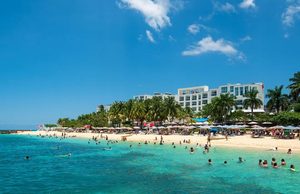
Doctor’s Cave Beach remains one of Montego Bay’s biggest attractions. Its calm, crystal-clear waters make it ideal for swimming, snorkeling, and simply soaking up the Caribbean sunshine. Nearby Cornwall Beach offers a quieter atmosphere while still delivering postcard-worthy scenery.
The famous Hip Strip, officially Gloucester Avenue, is the heart of Montego Bay’s entertainment district. Here you’ll find restaurants, cafés, souvenir shops, beach bars, and live music venues buzzing with energy throughout the day and well into the evening.
History lovers can explore Rose Hall Great House, one of Jamaica’s most famous historic estates. Overlooking the Caribbean Sea, the beautifully restored plantation house combines architectural beauty with fascinating local legends that continue to intrigue visitors.
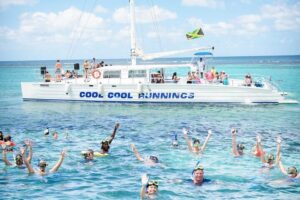
Adventure is never far away. Bamboo rafting on the Martha Brae River, snorkeling trips, catamaran cruises, deep-sea fishing, and ATV tours are all easily accessible from Montego Bay.
Additionally, read this guide we created for the best things to do in Montego Bay.
Whether you’re seeking relaxation, nightlife, or adventure, Montego Bay offers an exciting introduction to everything Jamaica has to offer.
Negril: Where Time Slows Down
If Montego Bay is energetic, Negril is effortlessly laid-back.
Located on Jamaica’s western tip, Negril has earned a reputation as one of the Caribbean’s most beautiful beach destinations, and it’s easy to understand why.
Seven Mile Beach is the star attraction. This stunning stretch of soft white sand and warm turquoise water invites visitors to spend entire days swimming, paddleboarding, snorkeling, or simply relaxing beneath a palm tree with a fresh coconut in hand.
Unlike busier resort towns, Negril embraces a slower pace of life. Beachfront cafés, boutique hotels, family-run guesthouses, and rustic beach bars create an atmosphere that encourages travelers to disconnect from everyday routines and fully embrace island living.
As the afternoon fades, attention shifts toward Negril’s famous cliffs. Perched above the Caribbean Sea, these dramatic limestone formations provide one of Jamaica’s most iconic sunset experiences. Watching the sky transform into brilliant shades of orange, pink, and purple has become a cherished ritual for both visitors and locals.
Negril is also an excellent destination for water sports enthusiasts. Snorkeling, scuba diving, kayaking, parasailing, and catamaran cruises are available throughout the year, while nearby coral reefs offer vibrant marine life waiting to be explored.
Whether you’re celebrating a honeymoon, traveling solo, or backpacking across the Caribbean, Negril’s welcoming atmosphere makes it one of Jamaica’s most unforgettable destinations.
Ocho Rios: Jamaica’s Adventure Capital
Nestled along Jamaica’s lush north coast, Ocho Rios is where nature and adventure come together.
Once a quiet fishing village, Ocho Rios has grown into one of the island’s most popular destinations while retaining much of its tropical charm. Surrounded by rainforest-covered hills, rivers, waterfalls, and botanical gardens, the town feels like an outdoor playground.
The world-famous Dunn’s River Falls draws visitors from around the globe. Climbing the terraced waterfall while cool water rushes around your feet is one of Jamaica’s signature experiences and an unforgettable way to connect with the island’s natural beauty.
Beyond the waterfalls, Ocho Rios offers countless opportunities for adventure. Visitors can zipline above the rainforest canopy, ride horseback through scenic trails, go river tubing, explore hidden caves, or take a leisurely bamboo rafting excursion along peaceful waterways.
Marine enthusiasts will appreciate the excellent snorkeling and scuba diving opportunities found just offshore, where colorful tropical fish and coral reefs create an underwater paradise.
Families, couples, and thrill-seekers alike will find plenty to enjoy in Ocho Rios. The combination of adventure, lush scenery, and easy access to nearby attractions makes it one of Jamaica’s most versatile destinations.
For travelers looking to experience the island’s adventurous side without sacrificing comfort, Ocho Rios delivers an unforgettable blend of excitement and natural beauty.
Kingston: The Cultural Soul of Jamaica
While many visitors head straight for Jamaica’s beaches, those who spend time in Kingston discover a side of the island that is vibrant, creative, and deeply authentic. As the nation’s capital and largest city, Kingston is where Jamaica’s history, music, art, and culinary traditions come together.
Nestled between the sparkling Caribbean Sea and the majestic Blue Mountains, Kingston is a city of contrasts. Historic colonial buildings stand alongside colorful street murals, bustling markets blend with modern cafés, and the sounds of reggae and dancehall echo through neighborhoods filled with energy and character.
For music lovers, Kingston is nothing short of a pilgrimage. The city gave birth to reggae music, a genre that transformed popular music around the world. Local bars, intimate music venues, and community events regularly showcase talented artists, making live performances a part of everyday life rather than a special occasion.
Art enthusiasts will find an impressive collection of galleries featuring contemporary Jamaican artists, while museums and heritage sites offer fascinating insights into the country’s rich and often complex history. Wandering through Kingston’s streets also reveals countless examples of public art, murals, and creative spaces that reflect the city’s youthful spirit.
Food is another highlight. Kingston has become one of the Caribbean’s most exciting culinary destinations, offering everything from authentic roadside jerk stands to upscale restaurants that reinvent traditional Jamaican flavors with modern flair. Every neighborhood has its own favorite eateries where locals gather for breakfast, lunch, or late-night meals.
Nature is never far away either. Within a short drive, visitors can escape the city’s bustle and find themselves hiking in the cool Blue Mountains or relaxing in lush botanical gardens.
Kingston rewards travelers who are curious enough to experience Jamaica beyond the resorts. It is a city filled with stories, creativity, and unforgettable local encounters.
Why Visit Kingston
Kingston is ideal for travelers who enjoy authentic cultural experiences, vibrant nightlife, local cuisine, history, and art. It offers a completely different perspective on Jamaica than the island’s resort towns.
Top Experiences in Kingston
Explore local museums and cultural landmarks.
Discover colorful street art throughout the city.
Enjoy live reggae and dancehall performances.
Sample traditional Jamaican cuisine at neighborhood restaurants.
Visit local craft markets for handmade souvenirs.
Take a scenic drive toward the Blue Mountains.
Port Antonio: Jamaica’s Hidden Paradise
If Kingston is Jamaica’s heartbeat, Port Antonio is its peaceful escape.
Located in Portland Parish on Jamaica’s lush northeastern coast, Port Antonio feels refreshingly untouched by mass tourism. Here, dense rainforests tumble toward secluded beaches, rivers wind through emerald valleys, and fishing boats gently sway in quiet harbors.
Port Antonio was once a favorite retreat for Hollywood stars seeking privacy, but despite its glamorous past, the town has maintained its laid-back charm. Travelers searching for authentic Caribbean beauty often fall in love with this region’s slower pace and breathtaking scenery.
Frenchman’s Cove is one of Jamaica’s most photographed beaches, where a freshwater river flows gently into the Caribbean Sea. The combination of crystal-clear water, swaying palm trees, and dramatic cliffs creates an unforgettable setting.
Nearby, the Blue Lagoon enchants visitors with its mesmerizing shades of blue. Surrounded by tropical vegetation, the lagoon changes color throughout the day depending on the sunlight, giving it an almost magical appearance.
One of Port Antonio’s most memorable experiences is rafting along the Rio Grande. Guided by experienced local raft captains, visitors drift peacefully down the river on handcrafted bamboo rafts while passing through dense jungle landscapes and quiet riverside communities.
Unlike Jamaica’s larger resort destinations, Port Antonio encourages travelers to slow down, connect with nature, and appreciate the island’s quieter side.
Why Visit Port Antonio
Port Antonio is perfect for travelers seeking secluded beaches, eco-tourism, lush landscapes, and authentic local experiences away from larger crowds.
Top Experiences in Port Antonio
Relax at Frenchman’s Cove.
Take a bamboo raft down the Rio Grande.
Swim in the Blue Lagoon.
Visit Reach Falls.
Explore nearby beaches and coastal villages.
Enjoy fresh seafood overlooking the harbor.
The Blue Mountains: Jamaica’s Natural Masterpiece
Rising above eastern Jamaica, the Blue Mountains offer a completely different side of the island. Here, the tropical heat gives way to cool mountain air, mist rolls through ancient forests, and panoramic views stretch across valleys toward the Caribbean Sea.
The Blue Mountains are home to Jamaica’s highest peak, standing more than 2,250 meters above sea level. Hiking to the summit has become one of the country’s most rewarding outdoor adventures.
Many hikers begin their ascent before dawn, reaching the summit just as the sun rises above the horizon. On exceptionally clear mornings, adventurous travelers may even catch a glimpse of Cuba in the distance.
The mountains are also world-famous for producing Blue Mountain Coffee, widely regarded as one of the finest coffees on Earth. Coffee plantations scattered throughout the region welcome visitors eager to learn how beans are cultivated, harvested, roasted, and brewed.
Nature lovers will appreciate the incredible biodiversity found within the Blue Mountains. The forests shelter hundreds of bird species, colorful butterflies, native orchids, and unique wildlife found nowhere else.
Small mountain villages provide opportunities to meet local farming families and experience rural Jamaican hospitality in its purest form.
Whether you enjoy hiking, photography, birdwatching, or simply escaping the tropical heat, the Blue Mountains offer an unforgettable experience. Read our Blue Mountain Travel Guide to get more tailored recommendations.
Why Visit the Blue Mountains
The Blue Mountains are perfect for outdoor enthusiasts, photographers, coffee lovers, and travelers looking for peaceful scenery away from the coast.
Top Experiences
Hike Blue Mountain Peak.
Tour a coffee plantation.
Watch the sunrise above the clouds.
Visit mountain villages.
Explore rainforest hiking trails.
Photograph spectacular panoramic views.
Hidden Gems Waiting to Be Discovered
Beyond Jamaica’s famous attractions lies a collection of lesser-known destinations that often become travelers’ favorite memories.
Treasure Beach on the South Coast offers a refreshing alternative to busy resort towns. Instead of large hotels, visitors find fishing villages, boutique guesthouses, black sand beaches, and welcoming communities where life moves at a slower pace.
Lovers’ Leap combines dramatic cliffside views with local folklore. Standing high above the Caribbean Sea, it provides one of the island’s most breathtaking viewpoints while sharing a legendary tale of forbidden love.
Reach Falls remains one of Jamaica’s most beautiful waterfalls. Hidden within Portland’s rainforest, the cascading pools invite visitors to swim beneath crystal-clear water surrounded by lush tropical vegetation.
The Blue Lagoon feels almost surreal. Its vivid blue water changes color throughout the day, creating an enchanting natural spectacle.
YS Falls offers a quieter alternative to some of Jamaica’s more crowded waterfalls. Rope swings, natural pools, and peaceful gardens make it a favorite among families and nature lovers.
Milk River Bath is renowned for its mineral-rich waters, believed by many to have therapeutic properties.
The Appleton Estate region allows visitors to experience Jamaica’s centuries-old rum-making traditions while exploring the beautiful countryside.
These hidden gems reveal the quieter, more intimate side of Jamaica that many travelers never experience.
Jamaican Culture and Lifestyle
Few destinations possess a cultural identity as strong and recognizable as Jamaica.
Despite its modest size, the island has shaped global music, athletics, language, fashion, and cuisine in extraordinary ways. Yet the true essence of Jamaican culture is best experienced through everyday life.
Hospitality comes naturally here. Visitors often find themselves chatting with taxi drivers, market vendors, restaurant owners, and fishermen who eagerly share local stories, recommendations, and laughter.
Community plays an important role in Jamaican life. Families remain close-knit, neighbors support one another, and celebrations frequently bring entire communities together.
Music is ever-present. Reggae, dancehall, ska, gospel, jazz, and soca provide the soundtrack to daily life. Whether you’re walking through Kingston, relaxing in Negril, or exploring a rural village, music is rarely far away.
Sport is another national passion. Cricket and football are widely loved, while track and field occupies a special place in Jamaican pride thanks to generations of world-class athletes.
Language adds another layer to the island’s personality. While English is the official language, Jamaican Patois is spoken widely across the country. Learning a few simple phrases often brings smiles and friendly conversations with locals.
Respect is deeply valued within Jamaican society. Greeting people politely, showing patience, and embracing the island’s relaxed pace often lead to richer travel experiences.
Visitors who immerse themselves in local culture leave with a much deeper appreciation for Jamaica than those who remain inside resort walls.
Food Every Traveler Should Try
Jamaican cuisine is bold, flavorful, and rooted in generations of tradition.
The island’s culinary identity reflects African, European, Indigenous, Indian, Chinese, and Middle Eastern influences, creating one of the Caribbean’s most exciting food scenes.
No dish represents Jamaica better than jerk chicken. Marinated in a fiery blend of spices before being slowly cooked over pimento wood, it delivers smoky flavors that have become famous worldwide.
Ackee and saltfish is Jamaica’s national dish. Served with fried dumplings, roasted breadfruit, boiled green bananas, or festivals, it remains a breakfast favorite across the island.
Seafood lovers should try escovitch fish, freshly caught snapper topped with tangy pickled vegetables, or grilled lobster when in season.
Curried goat is another beloved staple, known for its tender meat and richly spiced sauce.
Street food forms an essential part of Jamaican life. Fresh beef patties, roasted corn, jerk pork, pepper shrimp, fried plantains, and roasted yam can all be found from roadside vendors and local cook shops.
Fresh tropical fruits deserve equal attention. Depending on the season, travelers can enjoy mangoes, pineapples, papayas, guineps, naseberries, otaheite apples, June plums, sweetsop, and star apples.
To quench your thirst, nothing beats fresh coconut water served directly from the fruit or a refreshing glass of homemade sorrel during the festive season.
Sampling local cuisine is one of the easiest and most rewarding ways to connect with Jamaica’s culture.
Nightlife and Entertainment
As the sun sets, Jamaica transforms into a lively playground filled with music, dancing, and unforgettable evenings.
Each destination offers its own unique nightlife experience.
Kingston is the island’s entertainment capital. Live reggae performances, dancehall events, rooftop lounges, jazz clubs, and vibrant street parties keep the city buzzing well into the early hours.
Montego Bay combines beachfront bars, upscale lounges, and energetic nightclubs that attract both visitors and locals.
Negril is famous for its relaxed beach bars, sunset gatherings, bonfires, and live music venues where travelers often dance barefoot in the sand beneath the stars.
Ocho Rios offers a mix of casual waterfront restaurants, cocktail lounges, and evening entertainment suitable for couples and families.
Throughout the island, local festivals celebrate music, food, culture, and community. These events provide visitors with opportunities to experience Jamaica at its most energetic and authentic.
For those seeking quieter evenings, many beachfront restaurants offer candlelit dinners accompanied by gentle waves and live acoustic performances.
Whether your ideal night involves dancing until sunrise, listening to reggae beneath the stars, enjoying handcrafted cocktails by the sea, or sharing stories around a beach bonfire, Jamaica offers unforgettable nightlife experiences that perfectly complement its vibrant daytime adventures.
Adventure Activities
Jamaica is more than a beach destination. It is an island built for adventure, where every landscape offers a new way to explore. From rushing rivers and hidden waterfalls to rugged mountain trails and vibrant coral reefs, outdoor enthusiasts will find no shortage of unforgettable experiences.
One of the country’s signature adventures is climbing Dunn’s River Falls in Ocho Rios. Unlike most waterfalls, visitors can actually ascend the cascading limestone terraces while cool water rushes around their feet. Guided climbs make this activity suitable for many fitness levels, and the reward is a refreshing journey through one of Jamaica’s most famous natural attractions.
For a slower pace, bamboo rafting has become one of the island’s most popular experiences. Local guides expertly navigate handcrafted bamboo rafts along peaceful rivers such as the Martha Brae and Rio Grande, allowing visitors to soak in lush tropical scenery while learning about local history and traditions.
The Blue Mountains provide exceptional hiking opportunities for those who enjoy cooler temperatures and breathtaking scenery. The hike to Blue Mountain Peak is particularly rewarding, with many travelers beginning before sunrise to witness spectacular views above the clouds.
Water lovers will discover an underwater paradise surrounding Jamaica’s coastline. Coral reefs teem with colorful tropical fish, sea turtles, and fascinating marine life. Popular snorkeling and scuba diving destinations can be found near Negril, Montego Bay, Ocho Rios, and Port Antonio.
Those seeking an adrenaline rush can enjoy ziplining through rainforest canopies, ATV tours across rugged terrain, horseback riding through forests and along beaches, river tubing, kayaking, paddleboarding, and deep-sea fishing excursions.
Cave exploration is another exciting option. Limestone cave systems reveal underground rivers, dramatic rock formations, and centuries of geological history waiting to be explored.
Nature enthusiasts should also consider birdwatching in the Blue and John Crow Mountains National Park, where numerous endemic species can be spotted among lush forests.
Whether your idea of adventure involves scaling waterfalls, diving beneath the sea, or hiking above the clouds, Jamaica offers experiences that combine excitement with extraordinary natural beauty.
Transportation Guide
Getting around Jamaica is relatively straightforward, and travelers have several transportation options depending on their budget, itinerary, and comfort level.
Most international visitors arrive at Sangster International Airport in Montego Bay or Norman Manley International Airport in Kingston. Both airports provide easy access to the island’s major tourist destinations.
Renting a car offers the greatest flexibility, especially for travelers planning to visit multiple parishes or explore lesser-known attractions. Jamaica drives on the left-hand side of the road, and while major highways are generally well maintained, rural roads can be narrow and winding. Driving also allows spontaneous stops at roadside fruit stalls, scenic viewpoints, and local villages that organized tours often bypass.
Private transfers are a popular choice for visitors staying at resorts or traveling between destinations. While more expensive than public transportation, they offer comfort, convenience, and local knowledge from experienced drivers.
Route taxis are one of the most affordable ways to travel between towns. These shared taxis operate fixed routes and are widely used by locals. Although they may not offer the same level of comfort as private transportation, they provide an authentic glimpse into everyday Jamaican life.
Public buses connect many of the island’s larger towns and cities, while privately operated minibuses serve numerous local routes. These options are economical but can be slower than other forms of transport.
For travelers who prefer guided experiences, organized tours remain an excellent option. Many operators provide transportation, entrance fees, and knowledgeable local guides, making it easy to visit multiple attractions in a single day.
Travel times between destinations are often longer than expected due to Jamaica’s mountainous terrain. While the island may appear small on a map, winding roads mean that journeys should be planned with realistic expectations.
Regardless of how you travel, one of Jamaica’s greatest pleasures is the journey itself. Scenic coastal highways, mountain roads, and charming rural communities ensure that even the drive becomes part of the adventure.
Budget Travel Tips
Jamaica has a reputation for luxury resorts, but exploring the island doesn’t have to come with a luxury price tag. Budget-conscious travelers can enjoy an unforgettable experience by making thoughtful choices and embracing local experiences.
Traveling during the shoulder season, typically between May and June or September through early November, often results in lower accommodation prices and fewer crowds. Flights are frequently more affordable during these periods as well.
Instead of staying exclusively at large resorts, consider guesthouses, boutique inns, locally owned villas, or small beachfront accommodations. Not only are these often more affordable, but they also provide opportunities to connect with local hosts and communities.
Eating where the locals eat is one of the easiest ways to save money while enjoying authentic Jamaican cuisine. Roadside jerk stands, neighborhood cook shops, and small family-run restaurants serve generous portions of delicious meals at a fraction of resort prices.
Public transportation, including route taxis and minibuses, can significantly reduce transportation costs for travelers comfortable navigating local systems.
Many of Jamaica’s most memorable attractions are surprisingly affordable or completely free. Beautiful beaches, scenic hiking trails, vibrant local markets, historic towns, and breathtaking viewpoints provide incredible experiences without a hefty admission fee.
Carrying cash is useful for small vendors, local transportation, and community businesses that may not accept credit cards. However, avoid carrying large amounts at once and use hotel safes when available.
Shopping at local markets instead of tourist gift shops often results in better prices while directly supporting Jamaican artisans and craftspeople.
Perhaps the best budget travel tip is to slow down. Spending more time in fewer destinations reduces transportation costs and allows you to experience each location more deeply.
Jamaica rewards travelers who seek authentic experiences rather than expensive itineraries.
Luxury Experiences
For travelers seeking indulgence, Jamaica delivers world-class luxury in spectacular settings. The island has long been a favorite destination for celebrities, honeymooners, and discerning travelers looking for exceptional service and unforgettable experiences.
Luxury resorts along the coast combine elegant accommodations with stunning ocean views, private beaches, fine dining, and personalized hospitality. Many properties feature infinity pools, oceanfront villas, wellness spas, and exclusive excursions designed to create memorable stays.
Private catamaran cruises offer an elegant way to experience Jamaica’s coastline. Guests can snorkel secluded reefs, enjoy freshly prepared meals onboard, and watch breathtaking Caribbean sunsets while sailing across crystal-clear waters.
Wellness retreats have become increasingly popular throughout the island. Spa treatments inspired by local botanicals, yoga sessions overlooking the sea, and holistic wellness programs provide opportunities to recharge both body and mind.
Coffee enthusiasts can arrange exclusive tours of Blue Mountain coffee estates, enjoying private tastings while learning about one of the world’s most celebrated coffee-growing regions.
Luxury travelers can also experience Jamaica through private culinary experiences, including chef-prepared dinners featuring locally sourced ingredients paired with premium Caribbean rum and international wines.
Helicopter sightseeing tours reveal the island’s dramatic coastline, waterfalls, mountains, and rainforests from a breathtaking perspective rarely seen by most visitors.
For those celebrating special occasions, private beachfront dinners beneath the stars remain one of Jamaica’s most romantic experiences. The combination of candlelight, gentle waves, and exceptional cuisine creates memories that last a lifetime.
Luxury in Jamaica extends beyond elegant accommodations. It is equally defined by personalized service, natural beauty, and the feeling of having paradise almost entirely to yourself.
Best Time to Visit
Jamaica enjoys warm tropical weather throughout the year, making it an attractive destination in every season. However, the best time to visit depends on your travel style, budget, and preferred activities.
December through April is generally considered the peak travel season. During these months, visitors enjoy sunny skies, lower humidity, and pleasant temperatures that are ideal for beach vacations, sightseeing, and outdoor adventures. This period is particularly popular with travelers escaping colder climates, so accommodations and flights tend to book quickly.
May and June offer an excellent balance between good weather and fewer crowds. Travelers often find more competitive prices while still enjoying plenty of sunshine and comfortable conditions.
July and August are lively months filled with cultural events and local festivals. Although temperatures are warmer, this is an exciting time to experience Jamaica’s vibrant atmosphere and community celebrations.
The Atlantic hurricane season officially runs from June through November. While Jamaica is not affected by every tropical system, travelers visiting during this period should monitor weather forecasts and consider purchasing comprehensive travel insurance. Many days remain sunny even during the rainy season, with showers often passing quickly.
Nature lovers may appreciate visiting after seasonal rains when waterfalls flow at their strongest and the island’s lush vegetation becomes even more vibrant.
Ultimately, there is no wrong time to visit Jamaica. Every season offers its own unique advantages, whether you seek lively festivals, peaceful beaches, lower prices, or perfect hiking weather.
Safety and Solo Travel
Jamaica welcomes millions of visitors each year, and most enjoy safe and memorable vacations. Like any destination, a little preparation and common sense go a long way toward ensuring a positive experience.
Travelers should remain aware of their surroundings, particularly in unfamiliar areas, and avoid displaying expensive jewelry, large amounts of cash, or other valuables. Using hotel safes and keeping important documents secure are simple but effective precautions.
Choosing licensed taxis, reputable transportation providers, and well-reviewed accommodations adds another layer of confidence, especially for first-time visitors.
Solo travelers often discover that Jamaicans are friendly, welcoming, and eager to help visitors enjoy their stay. Participating in organized tours, joining group excursions, or connecting with other travelers can provide additional comfort while exploring the island.
Women traveling alone may receive friendly conversation or compliments, which are generally part of local culture. A polite but confident response is usually sufficient if attention becomes unwanted.
Respecting local customs also enhances the travel experience. Greeting people politely, asking permission before photographing individuals, and supporting community businesses help foster positive interactions.
As with any destination, it is wise to stay informed about local conditions, follow guidance from accommodation providers, and avoid isolated areas after dark if unfamiliar with the surroundings.
The vast majority of visitors leave Jamaica with lasting memories of warm hospitality, breathtaking scenery, and meaningful cultural experiences.
Digital Nomad Guide
Jamaica has quietly emerged as an appealing destination for digital nomads seeking a balance between productivity and tropical living.
Reliable internet is widely available in hotels, apartments, coworking spaces, cafés, and many restaurants in major destinations such as Kingston, Montego Bay, Ocho Rios, and Negril. Mobile data coverage is also strong across much of the island, making it relatively easy to stay connected while traveling.
Kingston offers the most developed environment for remote workers. The city features modern cafés, business districts, creative communities, and networking opportunities that appeal to entrepreneurs and freelancers.
Montego Bay combines dependable infrastructure with easy access to beaches and international flights, making it an excellent choice for professionals balancing work and leisure.
Negril attracts digital nomads seeking a slower pace of life. Many choose to spend mornings working from beachfront cafés before enjoying afternoons swimming, paddleboarding, or watching the sunset.
Port Antonio appeals to remote workers looking for tranquility, natural beauty, and inspiration away from larger tourist centers.
Accommodation options range from short-term apartments and boutique hotels to long-stay villas equipped with kitchens and dedicated workspaces. Many hosts now cater specifically to remote workers by providing high-speed internet and comfortable work areas.
Jamaica’s welcoming culture also makes it easy to build connections with locals and fellow travelers. Community events, cultural festivals, outdoor adventures, and coworking meetups create opportunities to balance productivity with meaningful experiences.
For many digital nomads, Jamaica offers something increasingly valuable: the chance to finish a productive workday and, within minutes, watch the sun sink into the Caribbean Sea, hike through tropical mountains, or enjoy authentic island cuisine surrounded by warm hospitality. It is this blend of professional convenience and extraordinary lifestyle that makes Jamaica an increasingly attractive destination for remote work.
Photography and Social Media Spots
Jamaica is one of the Caribbean’s most photogenic destinations, offering an incredible variety of landscapes that appeal to photographers, content creators, and anyone looking to capture unforgettable travel memories. From dramatic coastlines and cascading waterfalls to colorful street art and misty mountain peaks, nearly every corner of the island feels camera-ready.
Negril’s Seven Mile Beach is one of Jamaica’s most iconic photography locations. The powdery white sand, crystal-clear turquoise water, and towering palm trees create postcard-perfect scenes throughout the day. However, it is sunset that transforms Negril into something truly magical. As the sky fills with brilliant shades of orange, pink, and purple, photographers gather along the beach and atop the famous cliffs to capture one of the Caribbean’s most breathtaking sunsets.
The Blue Mountains offer an entirely different perspective. Early morning hikes reward visitors with panoramic views above the clouds as golden sunlight slowly illuminates Jamaica’s lush interior. Coffee plantations nestled among rolling hills provide beautiful opportunities for landscape photography while showcasing one of the island’s most famous exports.
In Kingston, vibrant murals, colorful neighborhoods, and creative public art offer endless inspiration for urban photography. The city’s blend of modern creativity and historic architecture creates striking contrasts that tell the story of contemporary Jamaica.
Waterfalls such as Dunn’s River Falls, Reach Falls, and YS Falls are perfect for action shots and long-exposure photography. Crystal-clear pools surrounded by tropical vegetation create scenes that look almost untouched.
Port Antonio is filled with hidden photographic treasures. Frenchman’s Cove, the Blue Lagoon, and the Rio Grande provide tranquil natural settings where rivers, forests, and the Caribbean Sea come together in spectacular harmony.
For drone enthusiasts, Jamaica’s dramatic coastline, winding mountain roads, and secluded beaches provide breathtaking aerial perspectives. Always check local regulations and respect privacy when flying drones.
The best photographs often come during the early morning or the golden hour before sunset, when softer light enhances Jamaica’s vivid colors and tropical landscapes.
Above all, remember to put the camera down occasionally. Some moments are best experienced with your own eyes.
Sustainable Travel in Jamaica
Travel has the power to create meaningful connections, but it also carries responsibility. As tourism continues to play an important role in Jamaica’s economy, visitors can make a positive impact by choosing sustainable travel practices that benefit local communities and protect the island’s natural beauty.
One of the simplest ways to travel responsibly is by supporting locally owned businesses. Family-run guesthouses, neighborhood restaurants, craft markets, independent tour operators, and community-based experiences allow tourism income to remain within local communities while providing travelers with more authentic experiences.
When purchasing souvenirs, seek out handmade products crafted by Jamaican artisans. Wood carvings, paintings, woven baskets, locally produced coffee, spices, and handmade jewelry often carry more meaning than mass-produced imports while directly supporting local livelihoods.
Respect for nature is equally important. Jamaica’s coral reefs, waterfalls, forests, and marine ecosystems are fragile environments that deserve careful stewardship. Avoid touching coral while snorkeling or diving, stay on marked hiking trails, and never remove shells, plants, or wildlife from their natural habitats.
Plastic pollution remains a global challenge, and travelers can help reduce waste by carrying reusable water bottles, shopping bags, and refillable toiletry containers whenever possible.
Many beaches, rivers, and national parks organize community clean-up initiatives throughout the year. Participating in one during your visit is a rewarding way to give back while connecting with local residents.
Respecting cultural traditions is another essential part of sustainable tourism. Ask permission before photographing people, dress appropriately when visiting churches or cultural sites, and take time to learn about Jamaican customs rather than viewing communities simply as tourist attractions.
Choosing eco-conscious accommodations can also make a difference. Many hotels and guesthouses now incorporate solar energy, water conservation programs, recycling initiatives, and locally sourced ingredients into their operations.
Responsible travel isn’t about sacrificing comfort. It’s about making thoughtful choices that help preserve Jamaica’s natural beauty and vibrant culture for future generations.
Suggested 3-Day Itinerary
If you have just a long weekend in Jamaica, focus on one region rather than trying to see the entire island.
Spend your first day settling into Montego Bay. Relax on Doctor’s Cave Beach, enjoy authentic jerk chicken for lunch, explore the Hip Strip, and finish the evening watching the sunset over the Caribbean.
On day two, head to the Martha Brae River for a peaceful bamboo rafting experience before visiting Rose Hall Great House. Spend your evening enjoying local music and waterfront dining.
Dedicate your final day to a scenic excursion to Negril, where you can relax on Seven Mile Beach and watch one of Jamaica’s most famous sunsets before returning to Montego Bay.
This itinerary provides a balanced introduction to Jamaica’s beaches, history, adventure, and culture without feeling rushed.
Suggested 5-Day Itinerary
With five days, you can combine relaxation with exploration.
Spend two days enjoying Montego Bay before traveling to Ocho Rios.
Climb Dunn’s River Falls, visit nearby botanical gardens, or enjoy river tubing through the lush countryside.
Take time to sample local cuisine, browse craft markets, and enjoy a catamaran cruise before concluding your trip with a relaxing beach day.
Five days allows you to experience two of Jamaica’s most iconic destinations while leaving enough time to truly enjoy each location.
Suggested 7-Day Itinerary
A full week offers the opportunity to experience several sides of Jamaica.
Begin with two days in Montego Bay before continuing to Negril for spectacular beaches and unforgettable sunsets.
Next, travel to Ocho Rios for waterfalls, rainforest adventures, and outdoor activities.
Conclude your journey in Kingston, where you can immerse yourself in Jamaican culture, local cuisine, art, and music before returning home.
Seven days creates an excellent balance between relaxation, sightseeing, and cultural exploration.
Suggested 10-Day Itinerary
Ten days provides enough time to discover Jamaica beyond its most famous attractions.
Start your adventure in Montego Bay before continuing to Negril.
Travel onward to Ocho Rios and then spend several days exploring Port Antonio’s secluded beaches, rivers, and rainforests.
Visit the Blue Mountains for hiking and coffee plantation tours before finishing your journey in Kingston.
Along the way, stop at hidden waterfalls, roadside fruit stalls, fishing villages, and scenic viewpoints that many visitors miss.
This itinerary showcases Jamaica’s incredible diversity while allowing time to embrace the island’s slower pace of life.
Packing Tips
Packing for Jamaica is relatively simple, but thoughtful preparation will make your trip far more comfortable.
Lightweight clothing made from breathable fabrics is ideal for the tropical climate. Pack plenty of shorts, T-shirts, sundresses, swimsuits, and comfortable sandals for beach days.
Bring at least one lightweight sweater or jacket if you plan to visit the Blue Mountains, where temperatures can be noticeably cooler, especially before sunrise.
Comfortable walking shoes are essential for hiking trails, waterfalls, and exploring towns.
Reef-safe sunscreen, sunglasses, a wide-brimmed hat, and insect repellent should all be considered travel essentials.
A reusable water bottle helps reduce plastic waste while keeping you hydrated throughout the day.
If you plan on snorkeling or spending time at rocky beaches, water shoes can be extremely useful.
Carry a waterproof phone pouch or dry bag for boat tours, rafting excursions, and waterfall visits.
Don’t forget travel insurance, portable chargers, and copies of important travel documents stored both digitally and physically.
Most importantly, leave extra room in your suitcase. Chances are you’ll return home with Blue Mountain Coffee, local spices, handcrafted souvenirs, and plenty of unforgettable memories.
Travelazz Tips
Wake up early at least once during your trip. Jamaica’s beaches, mountains, and towns feel completely different before the crowds arrive.
Don’t limit yourself to all-inclusive resorts. Some of the island’s most memorable experiences happen in local communities, roadside restaurants, and family-owned guesthouses.
Try something new every day. Whether it’s tasting an unfamiliar fruit, learning a few phrases in Jamaican Patois, or joining a local cooking class, embracing the unfamiliar often leads to your favorite travel memories.
Carry small bills for local vendors, markets, and taxis.
Be patient. Island life moves at its own pace, and that’s part of Jamaica’s charm.
Talk to locals. Many of the best recommendations for hidden beaches, authentic restaurants, and scenic viewpoints come from conversations rather than guidebooks.
Respect nature. Leave beaches cleaner than you found them, avoid disturbing wildlife, and choose environmentally responsible tours whenever possible.
Support local businesses whenever you can. Every meal at a neighborhood restaurant or handcrafted souvenir purchased from a local artisan contributes directly to Jamaican communities.
Finally, don’t rush. Jamaica isn’t a destination meant to be checked off a list. It’s a place to slow down, connect with people, and truly experience the rhythm of island life.
Best Jamaica Travel Guide
Jamaica is more than a tropical destination. It is an island that stirs the senses, sparks curiosity, and leaves a lasting impression on everyone who visits.
Its breathtaking beaches may draw travelers in, but it is the warmth of the people, the rhythm of reggae drifting through the air, the rich flavors of local cuisine, and the breathtaking diversity of its landscapes that truly define the Jamaican experience.
From the lively streets of Kingston and the peaceful shores of Port Antonio to the waterfalls of Ocho Rios and the unforgettable sunsets of Negril, every corner of the island tells a different story. Whether you seek adventure, relaxation, cultural immersion, or simply a place to reconnect with nature, Jamaica offers experiences that are both deeply personal and impossible to forget.
The island rewards curiosity. Wander beyond the resort gates, chat with local residents, sample traditional dishes, hike mountain trails, explore hidden coves, and embrace the slower pace that makes Caribbean life so appealing.
No two trips to Jamaica are ever exactly the same. Each visit reveals another hidden beach, another unforgettable meal, another friendly conversation, and another reason to return.
So pack your bags, bring your sense of adventure, and prepare to discover why Jamaica continues to capture the hearts of travelers from around the world.
One visit is rarely enough.
Traveler Discussions
Every traveler experiences Jamaica differently, and that’s part of what makes the island so special.
Are you the type of traveler who dreams of spending an entire week relaxing on white sand beaches, or do you prefer chasing waterfalls, hiking mountain trails, and exploring hidden villages?
Which Jamaican destination would you visit first? The lively streets of Kingston, the laid-back beaches of Negril, the adventure-filled landscapes of Ocho Rios, the untouched beauty of Port Antonio, or the cool mountain air of the Blue Mountains?
If you’ve already visited Jamaica, what surprised you most?
Was it the warmth of the people, the incredible food, the vibrant music, or the island’s breathtaking natural beauty?
Share your experiences, favorite hidden gems, and travel tips to inspire fellow explorers planning their own Jamaican adventure.
Frequently Asked Questions
Do I need a visa to visit Jamaica?
Many visitors, including those from the United States, Canada, the United Kingdom, and several Caribbean countries, do not need a visa for short tourist stays. Always check the latest entry requirements before booking your trip.
What is the best month to visit Jamaica?
January through April generally offers the driest weather and plenty of sunshine. Travelers looking for fewer crowds and better prices often prefer May and June.
Is Jamaica expensive?
Jamaica can suit almost any budget. Backpackers can enjoy affordable guesthouses and local restaurants, while luxury travelers will find world-class resorts, private villas, and premium experiences.
How many days should I spend in Jamaica?
Seven to ten days allows enough time to experience several regions without rushing. However, even a three or five-day getaway offers plenty of opportunities to enjoy the island.
Is Jamaica good for solo travelers?
Yes. Solo travelers who use common sense, choose reputable accommodations, and remain aware of their surroundings often have rewarding experiences exploring Jamaica.
Can I use US dollars in Jamaica?
Many hotels, attractions, and tourist businesses accept US dollars, although carrying some Jamaican dollars is useful for local restaurants, transportation, and markets.
What food should I try first?
Start with jerk chicken, ackee and saltfish, curried goat, escovitch fish, Jamaican patties, festival, fresh tropical fruit, and Blue Mountain Coffee.
Is Jamaica only about beaches?
Not at all. While the beaches are spectacular, Jamaica also offers mountain hiking, waterfalls, rivers, coffee plantations, vibrant cities, cultural festivals, wildlife, history, and countless outdoor adventures
Recommended

Travelazz makes exploring the world simple, smart, and inspiring. Let us explorer the world together. Travel solo yet never alone.
Are you a traveler, blogger or writer with a story to share?
You can write for Travelazz to educate and inspire adventurous explorers worldwide.